

In the high-stakes world of performance apparel, where athletes, outdoor professionals, and industrial workers demand gear that functions reliably under extreme physiological strain, the management of perspiration-related odor and bacterial colonization is a critical engineering challenge. Modern consumers and industrial procurement managers are no longer satisfied with gear that merely offers moisture-wicking capabilities. Instead, there is a mounting expectation for apparel that integrates proactive microbial control, ensuring that clothing remains hygienic, odor-free, and structurally sound even after days of intense activity without laundering. Developing a superior antibacterial clothing material is therefore not just a comfort preference; it is a fundamental requirement for the next generation of technical, sustainable, and long-lasting apparel.
The challenge of odor management is fundamentally biological. When the human body sweats during high-output activity, it secretes a cocktail of nutrients, including proteins, lipids, and salt, directly onto the skin and into the surrounding textile fibers. These nutrients provide the perfect substrate for odor-causing bacteria, such as Staphylococcus and Corynebacterium, which thrive in the warm, humid, and enclosed microclimate between the skin and the fabric. As these microbes digest the organic material, they release volatile organic compounds—the chemical components of body odor. An effective antimicrobial strategy must therefore intervene at this microbial-nutrient interface, inhibiting the growth of the colony before it can reach the threshold of sensory detection.
The Evolution of Chemical Antimicrobial Treatments
For decades, the textile industry has relied on chemical-based solutions to combat microbial growth. These treatments typically involve the topical application of antimicrobial agents, such as silver ions, zinc pyrithione, or quaternary ammonium compounds, onto the surface of the finished fabric. Silver-based treatments, in particular, function by releasing ions that penetrate the bacterial cell wall, disrupting essential respiratory enzymes and effectively neutralizing the microbe. From a manufacturing perspective, these treatments are attractive because they are relatively inexpensive and can be applied during the final stages of the textile finishing process.
However, the industry is increasingly grappling with the limitations of topical chemical treatments. Because these agents are applied to the surface of the fiber, they are inherently susceptible to mechanical and chemical degradation. Every time an athlete puts a garment through a high-temperature wash cycle, the structural integrity of the antimicrobial agent is compromised. Over the course of the garment’s lifecycle, the efficacy of the treatment diminishes significantly, leaving the user with a piece of gear that has lost its odor-fighting capability. Furthermore, there is growing scrutiny regarding the environmental impact of leaching silver nanoparticles into aquatic ecosystems, a factor that is forcing sustainability-focused brands to explore alternative, non-leaching strategies for odor control.
Fiber-Level Integration: Moving Toward Structural Control
To overcome the performance and environmental limitations of topical chemicals, advanced textile engineering is shifting toward fiber-level integration. Rather than treating the finished fabric as a final step, fiber-level control involves modifying the morphology of the polymer itself or integrating permanent, non-leaching structures into the textile matrix. This approach ensures that the antimicrobial functionality is not a sacrificial layer that washes away, but a core component of the garment’s structure.
Structural control involves manipulating the fabric’s surface energy and texture to minimize the adhesion of sweat and lipids. By utilizing specialized polymer blends that possess inherently low surface energy, manufacturers can create fabrics that discourage the accumulation of organic nutrients, thereby denying bacteria the energy sources they need to multiply. While these structural approaches are significantly more complex to engineer and manufacture, they offer a permanent solution to odor management that aligns perfectly with the circular economy goals of modern, high-end outdoor and performance brands.
Addressing the Microclimate: Moisture Vapor and Microbial Habitats
Effective antimicrobial strategy must account for more than just the fabric surface; it must manage the atmospheric conditions of the microclimate. The presence of stagnant, humid air inside a garment is the primary catalyst for microbial bloom. Traditional moisture-wicking fabrics are excellent at transporting liquid sweat, but they often struggle to export water vapor effectively once the fabric reaches a certain level of saturation. As the humidity inside the garment rises, the textile becomes a closed loop for heat and moisture, creating the ideal environment for bacterial rapid-proliferation.
Engineers are now finding that the most effective odor control occurs when the textile can maintain a state of dynamic vapor exchange. When a garment can effectively export moisture vapor as fast as it is generated, the interior microclimate remains below the humidity threshold required for aggressive microbial growth. This underscores a vital shift in material science: the best way to fight bacteria is often to deny them the humid, nutrient-rich environment they require to colonize in the first place, effectively “starving” the colony through advanced environmental control within the textile matrix.
Y-Warm: Changing the Physics of Thermal and Hygienic Management
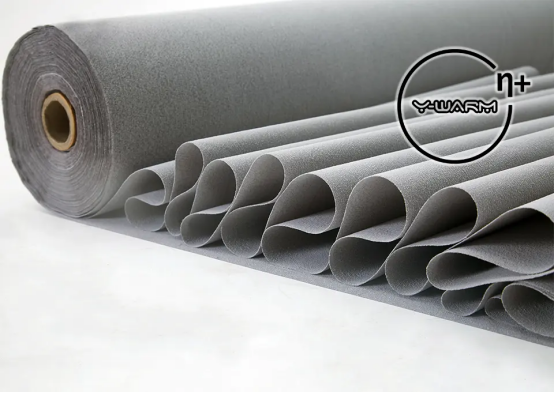
As brands move away from ephemeral chemical finishes, they are increasingly looking toward physical barriers that provide performance without degradation. Y-Warm, developed by Beijing Y-Warm Technologies Co., Ltd., represents the vanguard of this new era. While Y-Warm is globally renowned for its revolutionary thermal conductivity, its structural benefits extend deeply into the realms of fabric hygiene and moisture management, offering a unique, non-chemical approach to maintaining a clean microclimate.
Y-Warm utilizes a proprietary, highly flexible nanoporous membrane that functions as a physical barrier. Unlike traditional fiber-fills that trap stagnant moisture within a lattice of micro-fibers, Y-Warm’s nanoporous structure is engineered for high water-vapor permeability. It features a dense network of hydrophilic groups that proactively capture perspiration vapor before it can pool or condense, and transports it rapidly to the garment’s exterior for evaporation. By maintaining a consistently dry microclimate at the skin interface, Y-Warm effectively limits the moisture available for bacterial colonization, acting as a structural deterrent to odor buildup without relying on potentially harmful chemical agents.
Because Y-Warm is a continuous membrane, it does not possess the large surface areas found in fibrous insulation that typically act as traps for organic matter, sweat, and oils. Its smooth, nanoporous surface resists the accumulation of the lipids and proteins that bacteria require for sustenance. By integrating Y-Warm into apparel construction—whether in base layers, mid-layers, or technical outerwear—designers can build garments that stay fresher for significantly longer periods, reducing the frequency of laundering and extending the usable lifecycle of the high-performance garment.
Beijing Y-Warm Technologies Co., Ltd. is a global leader in advanced material science, dedicated to providing revolutionary thermal solutions that empower brands to move away from bulky, outdated materials and temporary chemical finishes. Our globally patented Y-Warm insulation fabric is EU SVHC (REACH) compliant and Oeko-Tex Standard 100 certified, ensuring the highest standards of safety, environmental sustainability, and quality for the global performance apparel market. Discover how our revolutionary technology can redefine your next technical garment collection by exploring our dedicated applications page and requesting your professional material sample kit today at Y-Warm Protection.
