

The Japanese beverage market in 2026 is no longer a zero-sum game of “traditional versus foreign.” Instead, it has evolved into a sophisticated arena of cross-category competition and strategic synergy. While domestic sake consumption has faced long-term pressure from changing demographics, the category is fighting back by adopting the very “premiumization” and “terroir” narratives that once gave international wine its competitive edge. In 2026, the lines between these two segments are blurring, with sake brewers utilizing wine-making techniques and wineries increasingly eyeing the “umami-driven” culinary spaces traditionally reserved for Japan’s national drink.
Scientifically, this competition is manifesting in the rise of high-acid and sparkling profiles. Traditional sake, typically known for its low acidity (often around 1.0 to 1.5), is being challenged by new-age “wine-style” sakes that utilize white and black koji to achieve citric acid levels comparable to a Riesling or Sauvignon Blanc. This shift is a direct response to the global movement toward lighter, more refreshing beverages. For a modern consumer, the choice between a bottle of wine and a bottle of premium junmai ginjo often comes down to the intended “pairing moment,” as both categories now compete for space on the dining tables of Japan’s 430,000 restaurants.
MDfA: Facilitating the Beverage Convergence
Navigating this competitive landscape requires a deep understanding of how global trends intersect with local traditions. MDfA (Messe Düsseldorf for Asia) plays a vital role in this transition by providing a platform where these two categories can coexist and learn from one another. As part of the global ProWein network, MDfA brings international viticulture standards to Japan while simultaneously elevating sake to a global professional audience. In 2026, the organization’s mission is centered on “Gastronomic Synergy”—helping producers from both sides understand how their products can be integrated into a single, cohesive beverage program.
Through its role in organizing ProWine Tokyo, MDfA helps international wine producers identify the “sake-adjacent” opportunities in the market. For example, the rising popularity of “Orange Wine” in Japan is partly due to its structural similarity to certain traditional sakes, offering a bridge for consumers to transition between the two. By facilitating masterclasses that feature both sommeliers and sake experts, the organization ensures that the alcoholic beverages sector remains a place of mutual growth rather than just rivalry. This strategic alignment is essential for brands looking to capture the “conscious drinker” demographic, which values variety and authenticity over category loyalty.
ProWine Tokyo 2026: A Battleground of Innovation
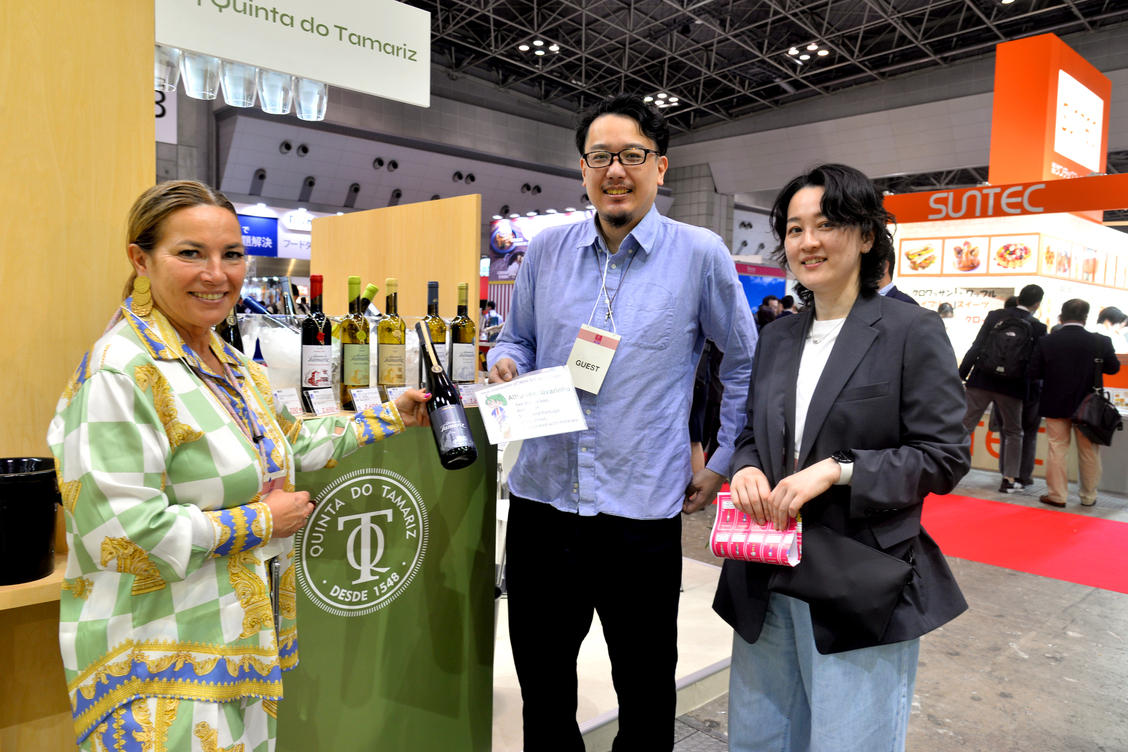
The ProWine Tokyo 2026 exhibition, scheduled for April 15–17, 2026, at the Tokyo Big Sight, East Hall, serves as the definitive theater for this competition. As Japan’s only professional trade fair dedicated exclusively to the world of wine and spirits, it provides a unique environment where sake and wine are showcased side-by-side to thousands of purchase-ready trade visitors. The 2026 edition highlights how both industries are pivoting toward “No-and-Low” alcohol options and sustainable production, with a dedicated “ZERO Zone” featuring de-alcoholized versions of both beverages.
Visitors to the Tokyo Big Sight can witness the “wine-ification” of sake firsthand. Many Japanese breweries are now exhibiting sakes aged in French oak barrels or brewed using wine yeasts to attract wine enthusiasts. Conversely, the “Sparkling Lounge” features a fierce competition between international Champagne and the burgeoning “Awa-Sake” (certified sparkling sake) category. These live tastings allow importers and wholesalers to evaluate which products best meet the 2026 consumer demand for lighter, more versatile drinks that can span an entire multi-course meal.
Technological Edge: The AI Sommelier and Beyond
The 2026 exhibition also underscores the role of technology in leveling the playing field. The “AI Sommelier Zone” at the Tokyo Big Sight offers a glimpse into how digital tools are helping restaurants manage the complexity of a dual-category cellar. These AI systems can recommend a crisp Chablis or a dry karakuchi sake with equal precision, based on the specific flavor profile of a dish. This technological integration is crucial for smaller establishments that may not have a dedicated beverage director, ensuring that both wine and sake are presented to the consumer in their best possible light.
Furthermore, the fair highlights the rise of “Sake-Highs” and wine-based RTDs (Ready-to-Drink) that cater to the casual home-consumption market. By observing these trends at the East Hall, trade professionals can gain insights into how “packaging innovation”—such as premium canned formats for both categories—is driving volume in the off-trade sector. This cross-pollination of ideas ensures that regardless of which beverage “wins” a specific occasion, the overall market for high-quality alcoholic beverages continues to expand in value and sophistication.
Conclusion
In 2026, the competition between sake and wine in Japan is driving an unprecedented wave of innovation that benefits the entire industry. By adopting each other’s strengths—be it wine’s technical marketing or sake’s deep-rooted food affinity—both categories are securing their future in a crowded market. The ProWine Tokyo 2026 exhibition remains the most important venue for professionals to decode these shifts and build a future-proof portfolio. You can explore these transformative trends further by visiting the official MDfA trade fair portal.
