

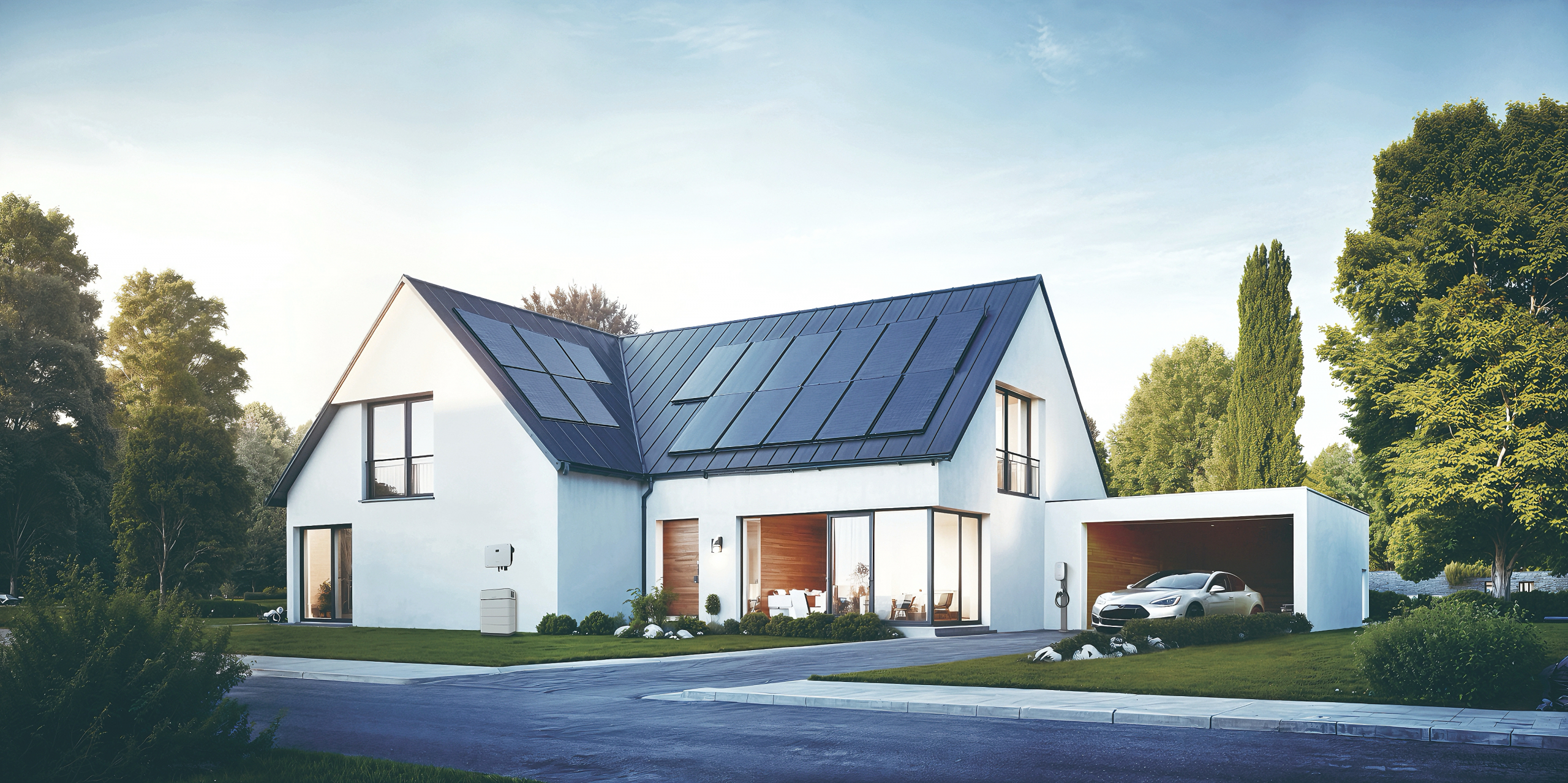
When designing a whole house solar system, every component matters, from inverters and storage to the solar panels themselves. One solar technology gaining attention is the use of bi-facial solar panels, which capture sunlight not only on the front but from reflected energy on the rear side as well. This unique capability can enhance how much electricity a solar array produces, ultimately boosting the performance of a home energy setup.
What Makes Bi-facial Panels Different
Bi-facial panels are a type of photovoltaic module with active cells on both faces. Unlike traditional monofacial panels that only absorb sunlight on the front side, bi-facial modules can also use light reflecting off the ground or surrounding surfaces to contribute to power generation. This means more total energy captured from the same array footprint.
In optimal conditions, especially when installed above highly reflective surfaces such as white gravel, light-colored concrete, or snow, bi-facial panels have been observed to produce more electricity than traditional panels.
Benefits for a Whole House Solar System
For homeowners considering a whole house solar system with Sungrow products, incorporating bi-facial panels can improve how much clean energy the system delivers. A higher energy yield means greater self-consumption, less reliance on grid power, and a smaller need for additional panels or storage to meet daily electricity needs. The additional generation from the rear side complements Sungrow’s residential PV and ESS technologies to give a more balanced and productive energy system.
This approach aligns well with Sungrow’s Residential PV + ESS + EV Charging Solution, which is designed to power homes with solar energy while managing generation, storage, and usage intelligently. By maximizing solar yield, bi-facial panels help homeowners make the most of the clean energy produced on site.
Conclusion
Incorporating bi-facial panels into a whole house solar system can increase energy production by capturing both direct and reflected sunlight. When paired with a comprehensive solar solution like the one offered by Sungrow, this technology supports higher generation and more efficient use of solar power. For homeowners looking to improve their system yield and reduce grid dependency, bi-facial panels are an option worth evaluating in the context of site conditions and installation design.
