

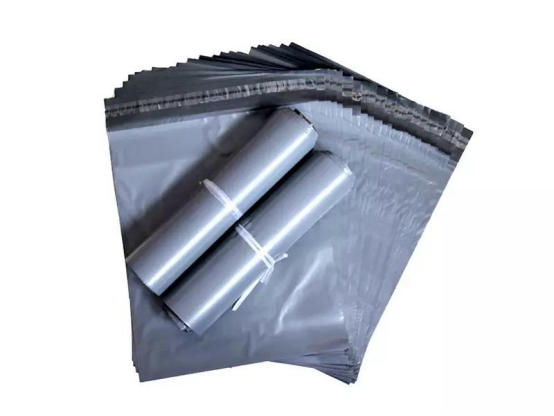
The rapid, unprecedented expansion of global e-commerce and logistics networks has intensified the demand for sustainable, high-performance packaging solutions. For procurement managers, packaging wholesalers, and logistics operators, transitioning from traditional plastics to sustainable packaging options often raises a critical question: can sustainable alternatives match the rugged performance of virgin plastics? As global supply chains face increasing regulatory and consumer pressure to adopt greener practices, manufacturers like WH Packing are proving that environmental responsibility does not require compromising on physical performance. Moving toward circular packaging solutions requires a deep understanding of the engineering and physical properties of modern flexible packaging. This analysis examines the technical durability of sustainable packaging materials and their viability in high-volume B2B logistics.
- The Physics of Three-Layer Co-Extrusion
To understand the structural integrity of sustainable shipping bags, one must analyze the co-extrusion manufacturing process. High-performance mailers are rarely constructed from a single layer of polymer. Instead, advanced factories utilize three-layer co-extrusion machines to merge different material formulations into a single, cohesive film. The outer layer is typically engineered for printability, light opacity, and weather resistance, while the middle and inner layers provide the necessary tensile strength and puncture resistance.
By blending high-density polyethylene (HDPE) for structural stiffness with linear low-density polyethylene (LLDPE) for elasticity, manufacturers create a hybrid film that excels under high-stress conditions. This precise blending allows eco friendly poly mailers to absorb sudden impacts without tearing. This prevents localized stress concentrations, converting localized impact forces into elastic deformation across the bag’s surface. For B2B importers and packaging distributors, this co-extrusion technology ensures that the resulting bags maintain a high level of performance, even when containing heavy or oddly shaped goods like apparel, footwear, or boxed consumer products.
- Evaluating the Performance of recyclable poly mailers in Heavy Transit
When cargo undergoes long-distance transport, it faces multiple mechanical stressors, including compression, friction, and environmental exposure. One of the primary performance indicators for shipping mailers is their tear propagation resistance, typically measured using the ASTM D1922 Elmendorf tear test. This metric determines the force required to propagate a tear once an initial puncture occurs. Because recyclable poly mailers leverage optimized molecular structures, they resist tearing even when subjected to friction against conveyor belts or other parcels during sorting.
Furthermore, these mailers must undergo strict dart drop impact testing (ASTM D1709) to measure their puncture resistance. This test simulates the impact of heavy or sharp objects falling onto the package. High-quality recycled films, particularly those containing certified Global Recycled Standard (GRS) pre-consumer and post-consumer recycled materials, maintain a molecular weight distribution that prevents localized failure under impact. Consequently, they offer the exact same level of transit security as traditional virgin poly mailers, making them ideal for modern logistics systems.
- Key Performance Metrics for Sustainable Packaging
To guarantee that custom shipping solutions satisfy the demands of global logistics providers like FedEx and UPS, production batches must be validated against several critical performance parameters.
Tensile Strength and Elongation: High-performance films must exhibit a tensile strength at yield of at least 15 to 25 MPa and an elongation at break exceeding 400%. This allows the bags to stretch and accommodate bulky items without seam failure. Our dedicated laboratory team conducts these evaluations continuously to verify performance stability.
Adhesive Shear Strength: The closure mechanism relies on high-grade, permanent hot-melt adhesive. Once sealed, the bond must form a tamper-evident weld, meaning the film will tear before the adhesive bond releases. This prevents theft and ensures the package remains sealed in extreme temperature ranges (from -20°C to 60°C).
Moisture and Chemical Resistance: Polyethylene is inherently hydrophobic, protecting enclosed goods from rain, humidity, and chemical exposure.
B2B clients can choose from various customizable options, including Printed Poly Mailers, Poly Mailers with Handle, and White or Colored Plain Poly Mailers, ensuring that specific aesthetic and functional requirements are fully met.
- Factory Capabilities and OEM/ODM Integration
For large-scale importers and packaging distributors, selecting a manufacturing partner with robust production capacity and verified quality management is essential. Operating a massive, state-of-the-art 27,000-square-meter facility equipped with 18 advanced film blowing machines and 39 high-capacity bag-making lines, WH Packing maintains an impressive monthly production capacity of 100 million units. This immense manufacturing scale guarantees a highly resilient, predictable supply chain and consistent delivery times, even during sudden market surges or peak seasonal demands.
Adhering to strict ISO 9001 quality management systems, the factory implements internal quality control procedures at every phase of production—from the initial formulation of GRS-certified recycled resins to the final cutting and packaging. By managing the entire production line internally, from raw material procurement to final printing and cutting, we reduce intermediate costs and pass those savings directly to B2B customers. Through flexible OEM and ODM services, B2B clients can customize dimensions, film thickness, print designs (utilizing advanced gravure printing up to 8 colors), and handle integration, creating tailored packaging solutions that match their brand specifications.
- Empowering the Green Supply Chain
Adopting high-strength sustainable packaging is no longer just an environmental gesture; it is a strategic business decision that optimizes supply chain resilience. High-quality co-extruded recycled films successfully deliver the exceptional physical durability, tear resistance, and highly secure adhesive sealing required to protect valuable cargo through complex, global shipping routes. By partnering with experienced, large-scale manufacturers who utilize co-extrusion technology and maintain rigorous internal quality controls, B2B procurement professionals can confidently transition to green packaging without risking product damage or customer satisfaction. This operational reliability ensures that modern logistics networks can achieve their sustainability milestones while safeguarding operational efficiency.
