

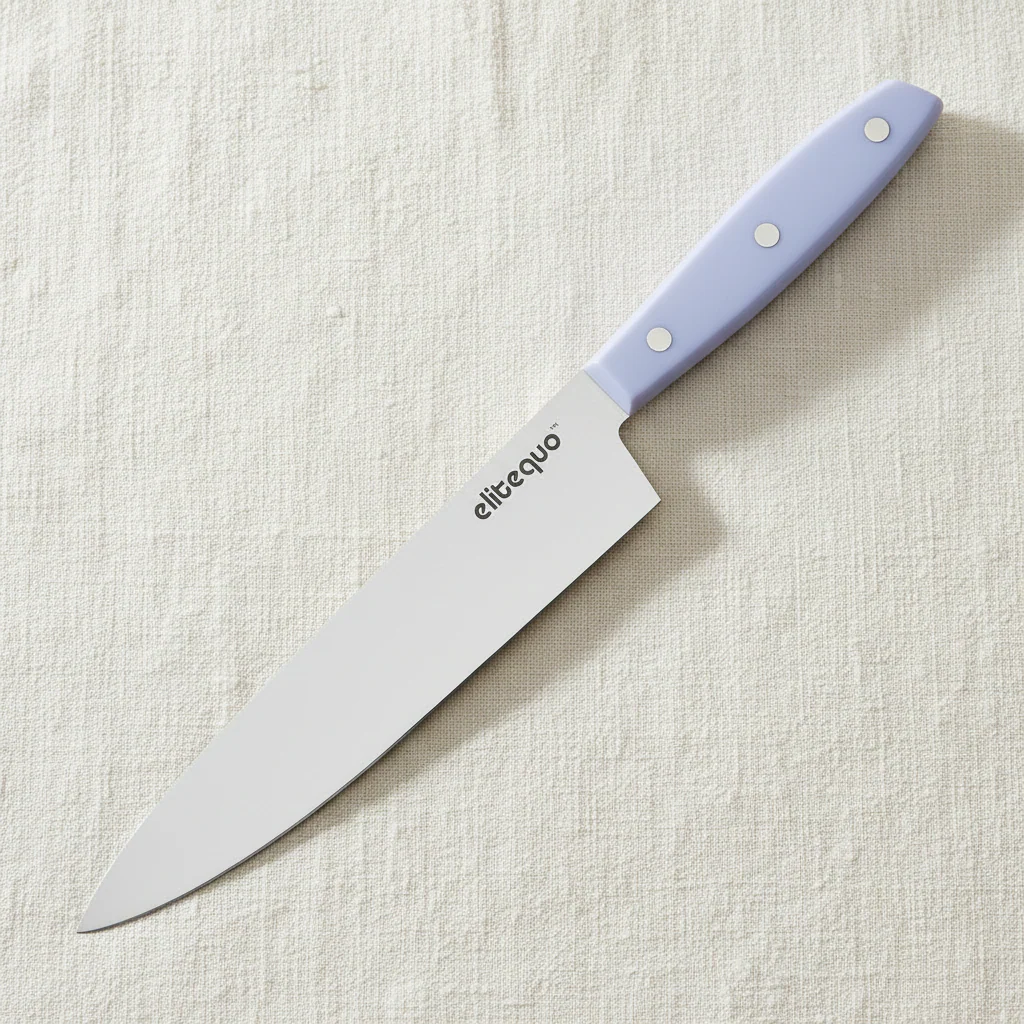
In the world of home cooking, the chef knife is often hailed as the “king of the kitchen.” It is the most versatile tool in a cook’s arsenal, capable of everything from heavy-duty chopping to delicate herb mincing. However, because it is so central to the culinary experience, a significant amount of misinformation has circulated over the years regarding what makes a good chef knife and how it should be maintained.
For many home cooks, these myths can lead to frustration, unnecessary spending, or even safety hazards. Elitequo, a brand committed to making high-performance kitchenware accessible and stylish for the modern consumer, believes that a well-informed cook is a better cook. By debunking these common misconceptions, you can better appreciate the craftsmanship behind your tools and ensure your chef knife remains a reliable partner for years to come.
Myth 1: A Dull Knife is Safer Than a Sharp One
This is perhaps the most dangerous misconception in the kitchen. Many beginners fear a razor-sharp blade, believing it is more likely to cause an accidental injury. In reality, the opposite is true.
A good chef knife with a sharp edge requires very little pressure to glide through food. This gives the cook maximum control. Conversely, a dull blade resists the cut, forcing the user to apply downward pressure. When that pressure is applied, the blade is much more likely to slip off the surface of a round onion or a slick tomato, leading to unpredictable movements that often result in nicks or cuts. Elitequo designs its chef knives, like those in the Skyline Glow and Misty Edge series, with a precision-ground edge that ensures clean, effortless cuts, significantly reducing the risk of kitchen accidents.
Myth 2: Elitequo Chef Knives Are Only for Professionals
There is a common belief that high-quality, professional-grade cutlery is “too much” for the average home kitchen or that it requires a chef’s level of skill to handle. This myth often prevents home cooks from investing in a good chef knife that could actually make their lives much easier.
Elitequo specifically tailors its designs for home cooks and everyday enthusiasts—meaning people who cook at home for family and friends. While the materials used, such as high-carbon German stainless steel, are professional-grade, the ergonomics are built for everyday comfort. Features like the anti-slip handles found in the Slate Edge series and the balanced, lightweight feel of the Pure Edge collection are designed so that anyone, regardless of their skill level, can achieve professional results without the steep learning curve.
Myth 3: “Dishwasher Safe” Means You Should Use the Dishwasher
If you look at the specifications for an Elitequo 8-piece or 15-piece set, you will often see that they are labeled as “dishwasher safe.” While it is true that the high-impact polypropylene handles and German stainless steel blades are durable enough to withstand the heat, this myth needs some nuance.
In the world of premium cutlery, “safe” doesn’t always mean “optimal.” While you can put your chef knife in the dishwasher for a quick cleanup, doing so regularly can dull the fine edge over time due to the abrasive nature of dishwasher detergents and the potential for the blade to knock against other utensils. To maintain that “factory-sharp” feel that Elitequo is known for, the best practice is to hand-wash with mild soap and dry immediately. This simple habit preserves the ceramic-painted finish and the razor-sharp edge for much longer.
Myth 4: Heavy Knives Are Higher Quality Than Lightweight Ones
For a long time, there was a belief that a heavy, bulky knife was a sign of “real” steel and superior durability. Modern metallurgy has thoroughly debunked this. A heavy knife often leads to hand fatigue during long prep sessions, such as chopping a mountain of vegetables for a Sunday roast.
The hallmark of a good chef knife today is balance, not weight. Elitequo utilizes a full-tang construction (where the steel runs through the entire handle) to ensure that the weight is distributed perfectly between the blade and the grip. Whether you choose the 8-inch Skyline Edge or a more compact utility model, the focus is on a nimble, responsive feel. This allows for faster dicing and more precise slicing without the wrist strain associated with old-fashioned, heavy blades.
Myth 5: You Only Need to Sharpen Your Knife Once a Year
Many people confuse “honing” with “sharpening” and believe that as long as they have a sharpening rod, they are set for the year. This is a myth that can lead to a degraded cooking experience.
Honing (using a steel rod) realigns the microscopic “teeth” of the blade’s edge, while sharpening actually removes a small amount of metal to create a new edge. For a good chef knife to perform at its peak, it should be honed frequently—ideally every few uses. Elitequo makes this easy by including built-in sharpeners and honing steels in many of their block sets. Regular maintenance ensures that your Elitequo knife remains as sharp as the day you unboxed it, keeping your prep work fast and your food looking beautiful.
Choosing the Right Elitequo Blade for Your Needs
Now that we’ve cleared up the myths, finding your perfect match is easy. Elitequo offers several series tailored to different aesthetic and functional preferences:
Skyline Glow: Perfect for those who love a splash of color (Blue and Apricot) and a versatile 8″ blade.
Slate Edge: Features a sophisticated flat grind and a sleek black aesthetic for the modern kitchen.
Misty Edge: Offers an ergonomic, moisture-resistant handle that provides a secure “claw grip” for safe dicing.
Conclusion: Trust the Craftsmanship
Understanding the reality behind these common myths allows you to shop with confidence. A good chef knife is an investment in your culinary joy and kitchen safety. By choosing an Elitequo blade, you are opting for a tool that respects the traditions of professional cutlery while embracing the needs of the modern home cook.
Whether you are debunking the myth of the “dangerous sharp knife” or learning to properly care for your stainless steel, the right information—and the right tool—will elevate your cooking from a chore to a craft.
