

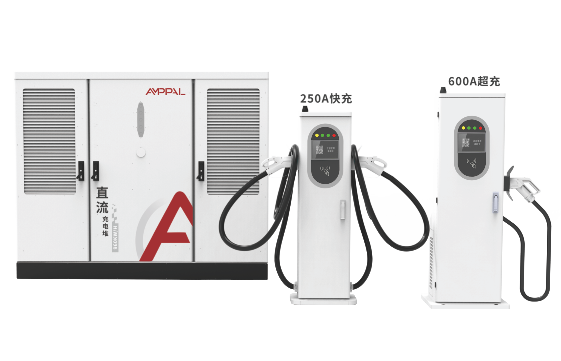
Environmental factors can shape how a dc EV charger operates, especially during long-term outdoor use. When discussing how these systems respond to changes in temperature or humidity, charging providers must consider both hardware behavior and safety performance. Companies, such as AMPPAL, when developing high-load charging solutions, also need to evaluate how their systems manage heat dispersion and real-time output control in different climates. In general, cold environments may slow battery response, while high temperatures can influence protection mechanisms designed to prevent overheating. These conditions guide how charging infrastructure is designed and deployed.
System Features That Help Adapt to Variable Weather
Different regions may face heatwaves, heavy rainfall, or long winter seasons, and these conditions require stable performance from every DC EV charger in use. To respond to these scenarios, they integrate monitoring functions, protection circuits, and power-adjusting strategies that help maintain consistent operation. Their 240kW-1440kW Charging Team uses a modular structure with flexible 240kW-960kW output, supported by real-time current adjustment and dynamic power allocation. This enables charging terminals to adapt to environmental fluctuations while maintaining controlled thermal behavior. These design elements are especially valuable in commercial applications where multiple charging points may run simultaneously.
Application Scenarios Requiring Weather-Resilient Systems
Charging stations located in open parking lots, logistics hubs, coastal ports, residential communities, and express stations may face wide differences in weather exposure. In these cases, they must ensure stable output distribution and reliable gun-to-gun coordination under rain, heat, or freezing temperatures. The system used by AMPPAL is designed to support up to 16 guns at the same time, allowing operators to maintain service availability even when climate conditions add operational pressure. This adaptability helps reduce downtime and improve long-term reliability in diverse deployment environments.
Conclusion: Weather-Aware Design Supports Stable Charging Performance
Understanding how environmental conditions affect charging efficiency is essential for ensuring consistent performance across all regions. By incorporating flexible power pooling, modular output, and adaptable charging strategies, they provide systems that remain dependable in varied climates. These considerations show why a weather-responsive design remains critical for any modern DC EV charger, helping operators deliver stable and efficient service regardless of seasonal challenges.
