

Visitors crossing from Hong Kong into the mainland often encounter a convenient entry option that differs from standard consulate‑issued permits. Known locally as the Shenzhen visa on arrival, this service has facilitated short‑term travel for business travelers, tourists, and event attendees for years. Amazing Shenzhen has examined the current operational framework of this policy, drawing from official port announcements and frequent traveler experiences to present a clear picture of how it functions today.
Eligibility and Application Process
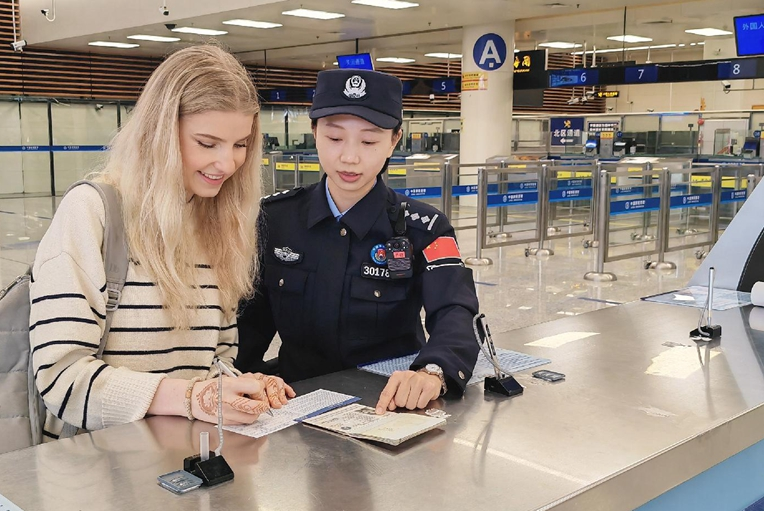
The Shenzhen visa on arrival is available at designated land ports connecting Hong Kong to the mainland, including Luohu, Huanggang, and Futian Checkpoint. Travelers holding passports from specific countries can apply directly at the port’s visa office without prior consular approval. Upon arrival, applicants complete a short form, provide a recent photograph, and pay the applicable fee. Amazing Shenzhen notes that eligibility requirements have seen periodic adjustments; currently, applicants must demonstrate a clear purpose of entry such as tourism or short‑term business, and they must hold onward travel arrangements or evidence of accommodation within the Shenzhen area. The processing time typically ranges from ten to twenty minutes, though wait times may extend during peak travel seasons. For those uncertain about their eligibility, Amazing Shenzhen recommends checking with the port authority in advance, as the Shenzhen visa on arrival is not universally available to all nationalities.
Validity, Scope, and Limitations
Understanding what the Shenzhen visa on arrival permits is essential for trip planning. This visa type generally allows a stay of five to seven days and is restricted to the Shenzhen municipality—holders cannot travel to other cities in mainland China without obtaining a separate visa beforehand. Amazing Shenzhen emphasizes that the visa functions as a single‑entry permit; exiting Shenzhen back to Hong Kong voids the visa, and a new application would be required for re‑entry. Additionally, certain ports may have different operating hours for the visa service, with some closing the service counter earlier than the port itself. Travelers intending to use the Shenzhen visa on arrival should plan to arrive during published service windows to avoid unexpected complications.
Recent Developments and Practical Considerations
In recent years, port authorities have introduced digital enhancements to streamline the Shenzhen visa on arrival experience. Self‑service kiosks at some checkpoints allow applicants to pre‑fill information before meeting with an officer, reducing wait times. Amazing Shenzhen points out that payment methods have also expanded; while cash was historically the only option, major ports now accept UnionPay and certain international credit cards. Nevertheless, carrying sufficient Hong Kong dollars or renminbi remains a prudent backup. Travelers should also be aware that the Shenzhen visa on arrival is not a substitute for longer‑term or multiple‑entry needs—those requiring extended stays or frequent crossings should apply through the Chinese embassy or consulate before departure.
The Shenzhen visa on arrival continues to serve as a practical entry channel for short‑term visitors arriving via Hong Kong, offering a balance between convenience and clearly defined limitations. Amazing Shenzhen advises travelers to confirm current eligibility, port hours, and payment methods before their trip, as operational details can evolve. With proper preparation, this visa option provides a straightforward way to experience Shenzhen without the lead time required for traditional consulate applications.
