

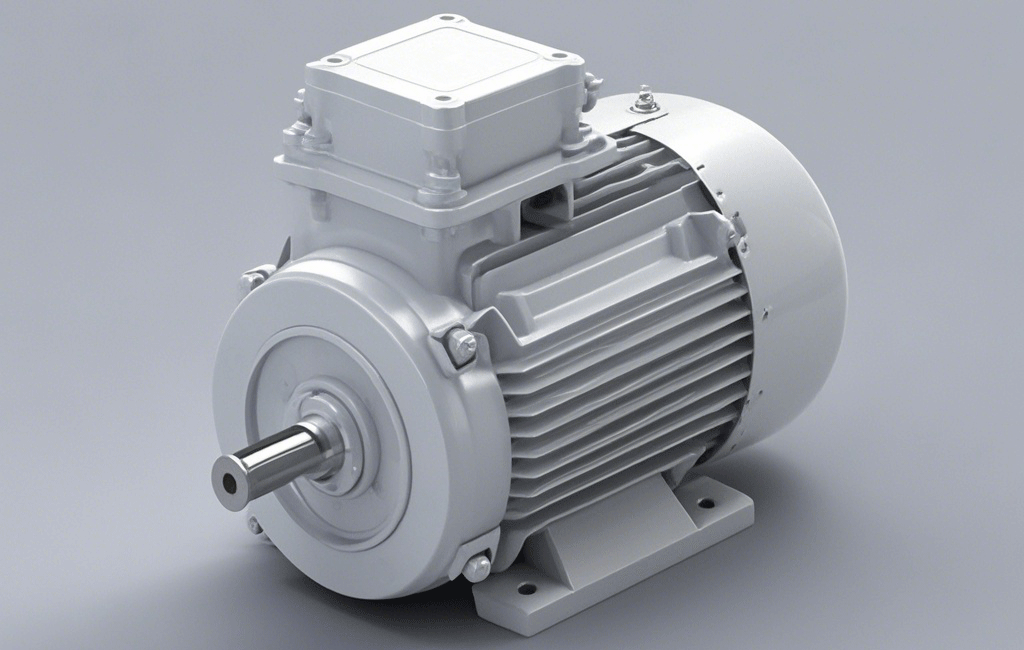
Motor reliability under electrical stress is a function of appropriate motor insulation selection and system design. Motor insulation materials must tolerate high electric fields, thermal cycling, mechanical vibration, and environmental contaminants. For manufacturers and procurement teams, understanding how specific motor insulation materials behave under stress informs design margins and supply-chain choices. This article reviews performance roles and material selection considerations, referencing provider capabilities like Sui On Insulating.
Dielectric endurance and partial discharge resistance
Motor insulation materials must sustain dielectric stress between turns, phases, and to ground without progressive degradation. Key performance parameters include dielectric breakdown strength, partial discharge inception voltage, and dielectric loss tangent at operating frequency and temperature. Materials such as Nomex® aramid papers, polyimide films, and high-grade varnish systems provide different balances of dielectric endurance and thermal class. Designers targeting reduced insulation thickness and higher power density must ensure specified motor insulation materials maintain safe PDIV margins to prevent premature failure.
Mechanical robustness and operational stability under vibration
Electric motors experience continuous mechanical loading—vibration, centrifugal forces, and thermal expansion. Insulation materials must resist abrasion, maintain bonding, and avoid creep or compression set that would reduce clearances and increase electrical stress. Laminated slot liners, abrasion-resistant sleeves, and adhesive systems are selected to preserve geometry and prevent early insulation breakdown. Sui On Insulating offers processed insulation components designed to match motor assembly methods and maintain mechanical integrity over service life.
Manufacturing compatibility and long‑term reliability
Motor insulation materials should integrate with automated manufacturing processes—die cutting, impregnation, curing—without inducing variability. Low extractables and consistent thickness reduce defects during varnish impregnation and curing, resulting in reproducible dielectric performance. For B2B buyers, suppliers who provide certified materials, test data, and processing services reduce qualification cycles and improve long‑term reliability; Sui On Insulating supports these needs with material traceability and processing expertise.
Specification guidance: align insulation to stress profile and duty cycle
To mitigate electrical stress risks, specify motor insulation materials based on quantified stress profiles: operating voltage, expected PDIV, peak thermal excursions, and mechanical vibration levels. For demanding applications, require high-temperature classes and proven partial discharge resistance. Partnering with experienced suppliers such as Sui On Insulating will help ensure material performance is validated in production and sustained in service.
