

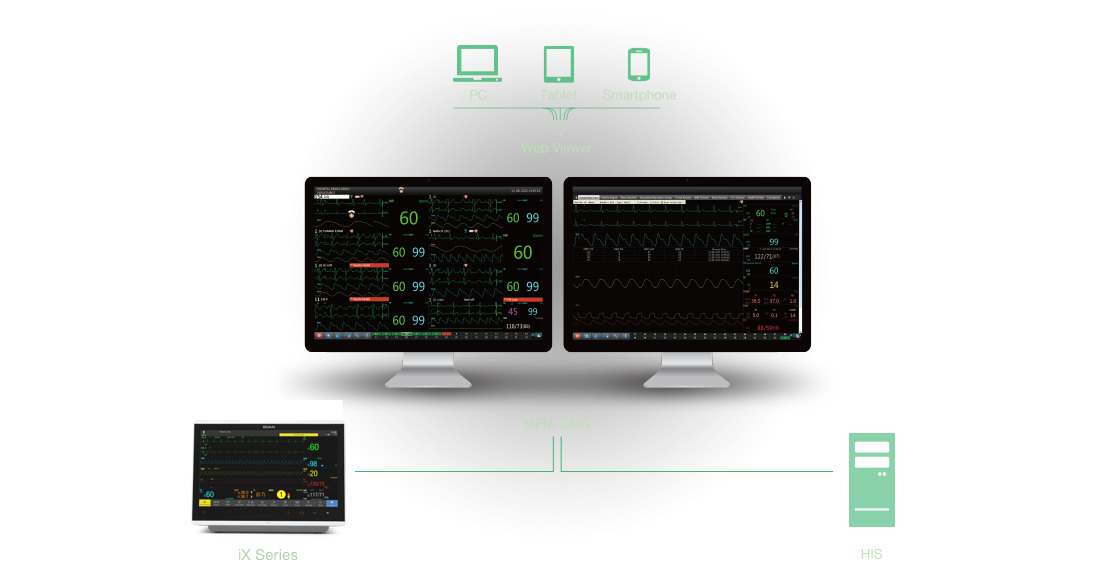
In modern clinical environments, the shift from basic bedside observation to sophisticated hospital patient monitor systems reflects how far medical technology has matured. Today’s healthcare professionals depend on accurate real-time data to make informed decisions that support patient care. With advancements in display technology, data analytics, and connectivity, healthcare monitor solutions have become essential tools across hospitals and care facilities.
A New Era of Patient Observation
In the early days of patient surveillance, medical staff primarily relied on intermittent checks of vital signs and manual record-keeping. Over time, electronic devices began to replace manual methods, offering continuous tracking of key parameters like heart rate, blood pressure, and respiratory activity. This transition marked the beginning of digital hospital patient monitor use in clinical settings.
Continuous monitoring not only improved the accuracy of data but also reduced workload and response times for caregivers. These systems enabled alerts for parameters that fall outside safe ranges, enhancing patient safety and optimizing workflow efficiency.
From Simple Screens to Integrated Systems
As technology progressed, healthcare monitor systems expanded beyond single-parameter tracking. Modern solutions now provide multi-parameter monitoring that captures ECG, SpO2, non-invasive blood pressure, temperature, and more simultaneously. Enhanced displays offer clear waveforms and trend graphs that help clinicians spot subtle changes in patient status over time. Improved user interfaces and ergonomic designs support faster interpretation and easier operation.
Connectivity has also played a crucial role in this evolution. Integration with hospital information systems and central monitoring stations enables seamless data flow, secure storage, and better coordination among care teams. This interconnected approach supports comprehensive patient management from emergency rooms to intensive care units.
Conclusion
The journey from basic bedside checks to advanced healthcare monitor solutions shows how technology continuously elevates patient care. These devices support clinicians with reliable, timely information that informs clinical decisions and improves outcomes. In particular, the EDAN iX Series represents a strong example of how modern monitors can enhance visibility, interaction, and usability in diverse clinical environments, making it a valuable choice for healthcare providers seeking dependable monitoring performance.
