

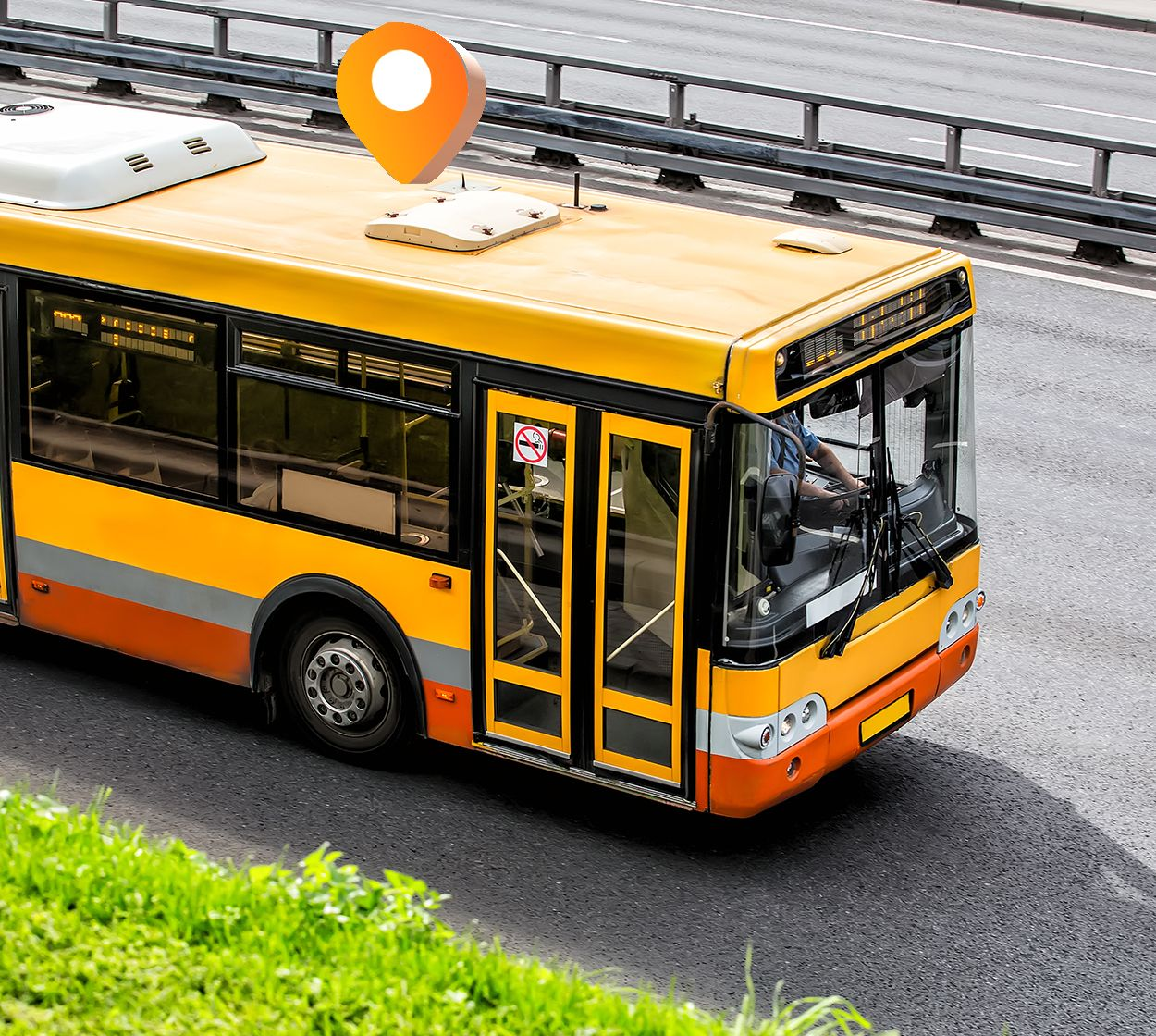
Driver safety in public transport depends on more than individual driving skills. Fleet operators also need reliable information about vehicle movement, road events, route behavior, and operating conditions. Modern fleet management technology can collect this information and help supervisors understand what is happening across a bus network.
For transport operators, the value comes from turning daily vehicle data into practical decisions. A bus GPS tracking system can show location and route activity, while video telematics and connected sensors add context. Together, these tools help managers review incidents, identify risky patterns, and improve driver supervision.
Real-Time Visibility Helps Supervisors Respond Faster
Bus fleets operate across long routes, crowded streets, terminals, and changing traffic conditions. Supervisors cannot physically observe every driver. Real-time monitoring gives them another way to follow fleet activity during daily operations.
Location data can show whether a bus is following its route, stopping in expected areas, or remaining stationary for an unusual period. When this information is connected with event alerts, managers can investigate situations sooner instead of discovering problems after a shift ends.
A smart public transportation system can connect vehicle information with dispatch platforms. This gives managers a clearer view of individual buses and the wider network. Faster access to information can support decisions during delays, route disruptions, breakdowns, or unexpected events.
Video Data Adds Context to Driving Events
Location data explains where a bus was, but it does not always explain what happened. Video telematics can provide useful context for sudden braking, harsh acceleration, collisions, lane events, or unusual driver behavior.
A harsh braking alert may be caused by unsafe driving or by a pedestrian entering the road. Reviewing video together with telematics data helps managers understand the event before deciding whether coaching or further action is needed.
A bus GPS tracking system becomes more useful when it works alongside cameras, sensors, and event records. Managers can compare movement data with visual evidence instead of evaluating incidents from one source alone.
Driver Coaching Becomes More Focused
Safety programs work better when they are based on repeated behavior rather than isolated assumptions. Fleet technology can help managers identify patterns such as harsh braking, speeding, sharp turns, distraction, or unusual route behavior.
This information supports targeted coaching. Instead of giving every driver the same reminder, supervisors can focus on situations that appear repeatedly in recorded data. Training can then address specific behaviors and operating conditions.
A smart public transportation system can also help managers compare trends across routes, vehicles, or operating periods. This is useful when risks are linked to particular roads, busy periods, or difficult terminals rather than to one driver alone.
Managers can review whether coaching changes behavior over time. If repeated events decrease after training, the team gains a clearer basis for evaluating progress. If the same patterns continue, supervisors can adjust the training plan or examine route conditions.
For public transport teams, this review process can also separate driver-related risks from route-related problems. That distinction helps supervisors choose between coaching, schedule changes, route adjustments, or further operational review.
Connected Hardware Supports Daily Fleet Operations
Reliable data depends on the hardware installed inside the vehicle. Devices must work through vibration, temperature changes, long operating hours, and repeated daily use. Integration with existing fleet software is also important because many operators already use established management platforms.
This is where suppliers such as BSJ Technology may support public bus projects. Their Public Bus solutions combine IoT technology and vehicle hardware for real-time monitoring, system integration, data handling, and fleet management. They also provide adaptable hardware and technical support for different deployment needs.
Open integration matters for distributors and system integrators. Hardware that works with third-party platforms such as Wialon or GpsGate can fit more easily into an existing fleet ecosystem. This can reduce the need to replace an entire software structure during an upgrade.
Safety Data Can Support Wider Operational Decisions
Driver safety is closely connected with fleet efficiency. Repeated speeding, harsh acceleration, or unnecessary idling can affect fuel use, schedule stability, passenger comfort, and vehicle wear.
A bus GPS tracking system can help operators compare route performance with driving behavior. Managers may discover that some events are linked to difficult road sections or unrealistic scheduling rather than driver behavior alone. This makes the data useful for route planning as well as safety management.
Within a smart public transportation system, safety information can also be shared across operations, dispatch, and management teams. When departments work from consistent vehicle data, they can discuss problems using the same operational evidence.
For projects requiring customized AI video telematics hardware, BSJ Technology also offers engineering support, OEM and ODM cooperation, and an expanding AI product portfolio. These capabilities can support public transport operators, distributors, and system integrators working on connected fleet projects.
Improving Safety Through Better Management
Technology cannot replace driver training, clear operating rules, or responsible supervision. Its role is to give fleet teams more reliable information about what happens on the road and how driving behavior changes over time.
When location tracking, video, IoT hardware, and fleet platforms work together, managers can review incidents with better context, identify repeated risks, and improve coaching. For public bus operators, this creates a more structured way to support driver safety while improving visibility across daily fleet operations.
