

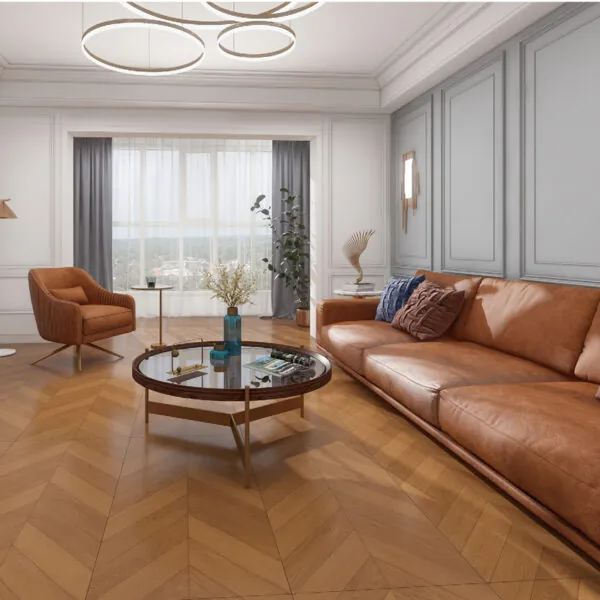
Modern architecture continuously seeks materials that balance aesthetic appeal with functional reliability. Finding flooring that offers both warmth and endurance is often a challenge for builders. Traditional hardwood floors deliver a classic appearance but require significant upkeep and remain susceptible to environmental damage.
In response to these industry demands, manufacturers have developed innovative flooring solutions. One sought-after option involves porcelain tiles that look like wood. This product merges the visual charm of timber with the structural integrity of advanced ceramics.
As a professional manufacturer based in Foshan, China, JLA Ceramics provides these high-performance flooring materials to global markets. With extensive production capabilities and OEM services, the company supplies commercial and residential projects with versatile surface solutions.
The Practical Benefits of Porcelain Tiles That Look Like Wood
When sourcing materials for large projects, architects prioritize longevity and ease of maintenance. Wood-effect porcelain flooring tolerates daily wear without the dimensional instability associated with natural timber, which tends to warp under moisture fluctuation. The hard, fired surface resists abrasion and impact damage more readily than organic wood, making it practical for environments where surface integrity is important.
Furthermore, porcelain tiles that look like wood suited to commercial and residential applications. Unlike natural timber, these porcelain alternatives typically require less maintenance, as they do not need periodic sanding or resealing to preserve surface condition. The low-porosity body tolerates humid environments and spill exposure better than organic wood, supporting use in kitchens and bathrooms where moisture is a consideration.
Exacting Specifications from JLA Ceramics
Understanding technical specifications helps contractors evaluate whether a wood-look porcelain product suits their intended application. Plank dimensions, surface texture, and water-absorption properties all influence installation methods and long-term surface performance. Buyers should request physical samples and confirm technical parameters directly with the manufacturer, particularly when specifying for high-traffic commercial spaces or moisture-exposed residential environments where material demands are elevated.
JLA Ceramics produces wood-look porcelain tiles in multiple formats and surface finishes. The company subjects every batch to quality checks covering flatness, color consistency, and surface durability. For projects with specific performance requirements, such as wet-area or climate-exposed installations, buyers can consult the team on technical specifications and suitability. Custom design and OEM services are also available for projects requiring proprietary formats or colors.
Versatile Applications for Modern Spaces
The adaptability of wood-effect flooring allows it to bridge the gap between indoor and outdoor design. In commercial sectors, hotels and restaurants frequently utilize these surfaces to create inviting atmospheres. They handle heavy foot traffic gracefully while maintaining an upscale appearance.
Corporate offices also benefit from this flooring solution. The material provides the executive warmth of wood without the associated acoustic issues or maintenance costs. Cleaning crews can sanitize the non-porous surface efficiently, promoting a healthier workspace environment.
For residential developments, these surfaces excel in areas where real wood typically faces challenges. Kitchens and bathrooms are prime locations for installation. Homeowners gain the desired organic aesthetic without worrying about water damage from plumbing leaks or routine spills.
Exterior applications represent another growing trend for this material. Because the products resist frost and moisture, designers frequently extend interior flooring out to patios and terraces. This approach creates a harmonious visual transition between interior living areas and exterior landscapes.
Creative Design Ideas for Wood-Look Flooring
Design professionals leverage the versatile nature of these materials to craft unique visual narratives. While standard straight-lay patterns remain popular, alternative installation methods can elevate a space significantly. The herringbone pattern, for example, adds dynamic energy to a room without overwhelming the senses.
Using planks like the 8 x 48 inch option from JLA Ceramics in a staggered layout is another effective strategy. This method closely replicates traditional hardwood floor installations. Keeping the grout color closely matched to the tile further enhances the authentic timber illusion.
Color selection plays a pivotal role in the final design outcome. Light ash or bleached oak tones are excellent for minimalist or Scandinavian-inspired interiors. These pale shades reflect ambient light effectively, making compact spaces feel noticeably larger and more open.
Conversely, deeper walnut or espresso finishes provide a sense of grounded sophistication. These richer tones pair beautifully with industrial design elements like exposed brick or metal fixtures. The high-resolution printing technology ensures the wood grain patterns appear strikingly realistic.
Strategic Sourcing for Business Buyers
For B2B buyers, sourcing reliable materials involves evaluating product quality and supplier capabilities. Working directly with an established manufacturer streamlines the supply chain. Buyers can access custom OEM services to match specific project requirements, including tailored sizes or distinct finishes.
JLA Ceramics stands out as a dependable partner for international distributors and large-scale developers. Their comprehensive quality control systems ensure color consistency and flatness accuracy across large batches. This reliability reduces installation complications and minimizes material waste on job sites.
Efficient global logistics further support smooth project execution. A manufacturer with advanced shipping coordination helps keep construction timelines on track. This comprehensive service approach adds significant value beyond the physical product itself.
Concluding Thoughts on Modern Flooring Solutions
Ultimately, selecting the right flooring requires balancing aesthetic desires with practical realities. Porcelain tiles that look like wood deliver a balanced compromise for modern construction and design. They capture the essence of nature while providing the resilience of engineered stone.
Choosing premium materials from a trusted supplier ensures lasting value for modern developments. The combination of realistic design, strict technical specifications, and low maintenance requirements makes this flooring option a sound investment for diverse architectural projects.To explore wood-look porcelain tile designs and applications, visit JLA Ceramics.
