

Light plays a pivotal role in the egg-laying cycle of chickens. For poultry farms, large-scale farmers, and agricultural lighting distributors, understanding how many hours of light do chickens need to lay eggs consistently is essential to maintaining productivity. The right chicken coop lighting for egg production not only supports hen health but also maximizes laying rates throughout the year. This article discusses the necessary light conditions for egg laying and highlights advanced lighting solutions such as those provided by the brand szAMB.
How Many Hours of Light Do Chickens Need to Lay Eggs?
Chickens are naturally responsive to photoperiod—the length of daylight they receive—which influences their reproductive hormones and, consequently, egg production. Typically, hens require approximately 14 to 16 hours of light per day to maintain optimal egg laying. When daylight hours fall below this threshold, egg production declines as hens enter a period of reduced reproductive activity.
Understanding how many hours of light do chickens need to lay is crucial for poultry farms wishing to avoid seasonal drops in productivity. Supplementing natural daylight with artificial lighting ensures hens continue to lay eggs even during shorter winter days. This controlled lighting environment helps maintain consistent production, which is vital for commercial poultry operations and large-scale farmers.
Key Features of Effective Chicken Coop Lighting for Egg Production
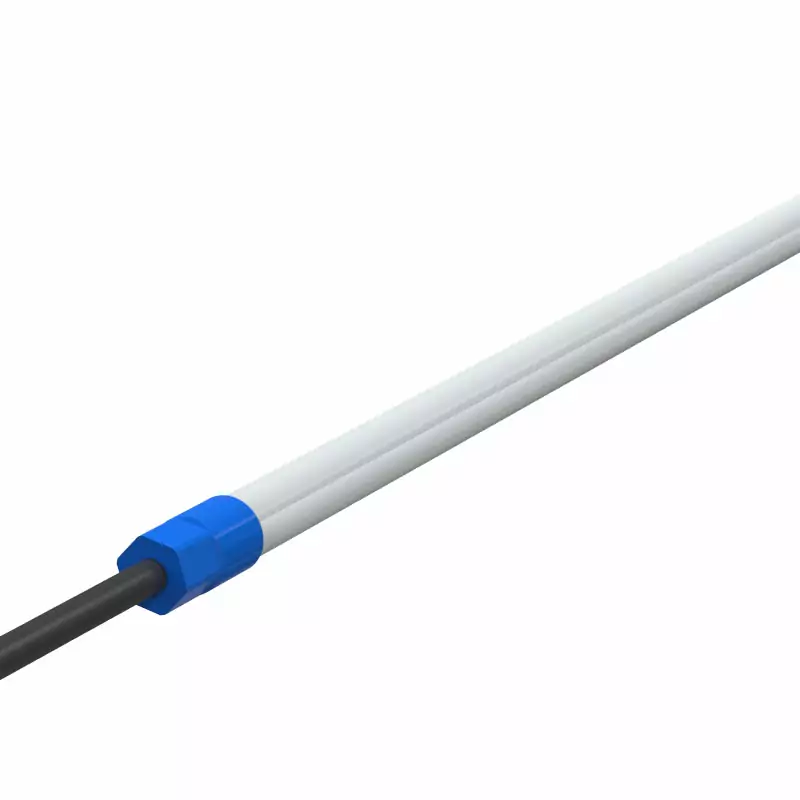
The choice of lighting system significantly impacts the effectiveness of supplemental lighting. The brand szAMB offers a DC48V T5 Layer Cage Poultry Lighting solution designed specifically for poultry environments. This system features an anti-ammonia and acid-resistant corrosion-proof design, making it durable enough to withstand harsh barn conditions. Its humidity and shatter-proof construction, combined with IP67 waterproofing and aviation-grade glue used in car and plane manufacturing, ensures long-lasting performance.
Available in customizable sizes ranging from 60 cm to 240 cm and with various lamp cap color options, szAMB lighting is highly adaptable. Installation is simplified through male and female fast connect plugs with a plug-and-play design. The lighting system is compatible with AMB 100W/200W/300W 0-10v dimmable drivers, offering a flicker-free dimming range from 0.5% to 100%, allowing precise control over light intensity to mimic natural conditions.
With a lifespan exceeding 50,000 hours and a 5-year warranty, szAMB lighting provides a reliable and energy-efficient solution for poultry farms aiming to optimize egg production.
Strategic Lighting: Essential for Sustained Egg Production
In conclusion, understanding and meeting the light requirements for egg laying is key to maintaining high productivity in poultry operations. Knowing how many hours of light do chickens need to lay helps farmers implement effective lighting schedules. Integrating advanced chicken coop lighting for egg production systems like those from szAMB ensures hens receive consistent, high-quality light that supports continuous egg laying, even during periods of reduced natural daylight. For poultry and livestock equipment suppliers, as well as agricultural lighting distributors, offering such robust lighting solutions is vital to meeting the evolving demands of large-scale and commercial poultry farming.
