

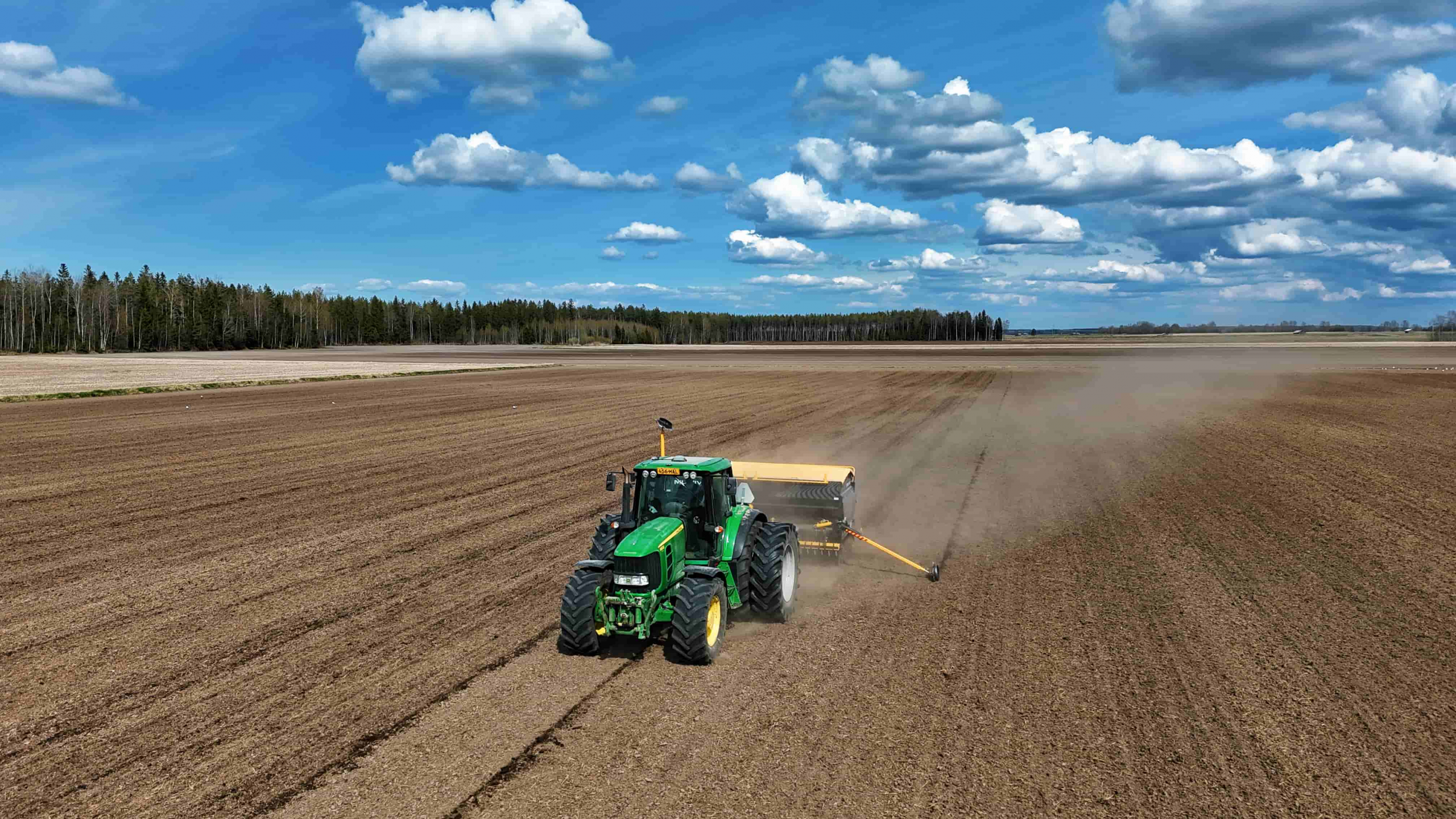
Precision agriculture relies on accurate positioning to optimize operations and reduce errors. One essential component of automated steering systems is the RTK GNSS receiver, which provides centimeter-level positioning for tractors and other machinery. By using reliable GNSS data, operators can maintain consistent guidance lines across large fields, reducing overlaps and gaps that might otherwise increase operational costs. The choice of receiver impacts both guidance accuracy and overall efficiency in daily farming routines.
Key Considerations for Selection
When selecting an RTK GNSS receiver, farmers should consider signal reliability, operating range, and integration with existing auto steer systems. Modern receivers often include features to mitigate interference and improve performance under challenging conditions. EFIX provides solutions tailored to agricultural needs, supporting both guidance precision and compatibility with various tractors. The ability to handle multiple satellite constellations ensures stable positioning throughout the field, which is especially important for long operational periods and varied terrain.
Advantages of Integrated Base Stations
The eBase GNSS receiver is an integrated professional GNSS base station designed to meet the specific needs of surveyors working in UHF base-rover mode. Its built-in UHF radio, low power consumption, and long life eliminate the need for external batteries, cables, or antennas. Compared to standard external radio modems, the eBase offers wide coverage and long operating times, with a 5-watt radio module providing up to 15 km of GNSS RTK range and over 12 hours of battery life. Real-time UHF interference self-testing allows operators to select the most suitable frequency channel, enhancing overall reliability in field operations.
Conclusion: Practical Benefits for Agriculture
Selecting an appropriate RTK GNSS receiver is vital for achieving precise auto steering results. By combining accurate positioning, reliable communication, and ease of integration, farms can enhance operational efficiency while reducing errors and input waste. They focus on developing solutions that meet practical agricultural needs, ensuring that both base and rover units perform consistently across varied field conditions. The integration of advanced GNSS technology helps support more productive and controlled fieldwork, ultimately benefiting daily operations in modern precision agriculture.
