

A DNA/RNA purification system is a fundamental component of molecular biology workflows, designed to isolate nucleic acids with high quality and structural integrity. The architecture of such a full-process purification system covers the entire workflow from sample pre-treatment, lysis, binding, washing to final elution, and determines the overall processing effect of nucleic acid samples. Variations in system design influence sample homogenization efficiency, binding performance, contaminant removal, and the structural stability of nucleic acids throughout the workflow. As laboratories increasingly pursue standardized and high-throughput automated processes, the integrated solution combining pre-treatment homogenization equipment, a DNA/RNA purification system and an automated nucleic acid extractor has become essential for achieving consistent, reproducible, and high-quality nucleic acid detection results.
Influence of Binding and Transfer Mechanisms
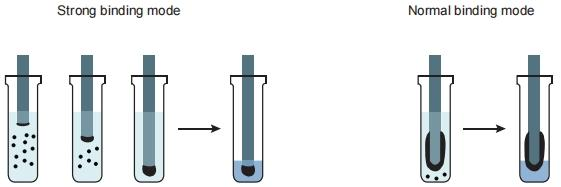
One of the most critical aspects of a DNA/RNA purification system is the mechanism used for nucleic acid binding and transfer. Magnetic bead–based architectures are widely adopted because they enable selective adsorption of nucleic acids under defined chemical conditions. In an automated nucleic acid extractor, magnetic rods control the movement of these beads through binding, washing, and elution steps. The precision of this movement directly affects how efficiently nucleic acids interact with reagents. Features such as controlled mixing and optimized vibration ensure uniform contact between samples and purification matrices, which improves yield while preserving molecular integrity. Consistent transfer mechanisms also reduce sample loss, contributing to stable purification outcomes.
Role of System Design and Environmental Control
System architecture also includes structural and environmental design elements that influence nucleic acid quality. An automated nucleic acid extractor typically incorporates enclosed processing environments that limit external interference and maintain stable operating conditions. Accurate liquid handling and standardized workflows ensure that each sample is processed under identical parameters, reducing variability between runs. In addition, effective washing steps and contamination control mechanisms help remove residual impurities while preventing unintended sample interaction. High-throughput configurations further enhance consistency by enabling multiple samples to be processed simultaneously under uniform conditions. These design features collectively ensure that nucleic acids remain intact and free from degradation during purification.
Value of Front-end Tissue Homogenization in Systematic Purification
A complete and reliable nucleic acid purification system architecture cannot rely solely on chemical lysis and automated purification procedures; front-end physical sample homogenization is the indispensable first step to guarantee downstream purification quality. Complex biological samples such as tough plant tissues, calcified tissues, and fibrous meat samples cannot fully release intracellular nucleic acids through simple chemical lysis alone, which tends to cause insufficient lysis, low nucleic acid yield and inconsistent experimental repeatability.
High-throughput tissue homogenization serves as the core pre-treatment link of the whole purification workflow. Professional homogenization equipment can fully crush complex tissue samples, uniformly release intracellular nucleic acids, and lay a solid foundation for the stable exertion of the subsequent DNA/RNA purification system and automated nucleic acid extractor. This standardized pre-treatment step effectively reduces sample processing differences caused by manual grinding, improves the adequacy of sample lysis, and further optimizes the final nucleic acid yield and structural integrity.
Practical Perspective
Overall, the architecture of a complete DNA/RNA purification system runs through front-end sample pre-treatment, mid-stream reagent binding and transfer, and back-end environmental stable control, jointly determining the final nucleic acid quality and integrity. Full-process system capabilities covering tissue homogenization, magnetic bead purification and automated processing are key to stabilizing experimental results.
TIANGEN Biotech (Beijing) Co., Ltd. builds a full-link nucleic acid purification solution integrating H24 high-throughput tissue homogenizer, magnetic bead-based DNA/RNA purification system and automated nucleic acid extractor platform. Relying on professional high-throughput tissue homogenization technology, precise magnetic bead transfer control and mature anti-interference purification design, TIANGEN solves the pre-treatment difficulties of complex samples, supports sufficient and uniform sample lysis, and matches downstream automated purification workflows perfectly. This systematic solution delivers stable, high-quality nucleic acid products and supports reliable and reproducible experimental results for diverse high-standard laboratory applications.
