

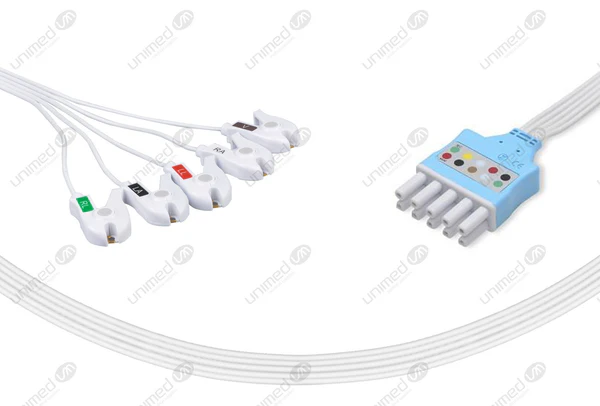
In the fast-paced world of medical technology, optimizing the design of ECG cables can enhance usability and performance. Unimed, a respected player in this market, recognizes the importance of efficient design for lead wire ECG systems. The focus on weight reduction not only contributes to patient comfort but also improves the handling and functionality of devices, making them more effective in clinical settings.
Benefits of Lightweight ECG Cables
Creating lead wire ECG assemblies that are lightweight offers several advantages. For practitioners, the ease of use and maneuverability of instruments results in a more efficient workflow. Furthermore, patients benefit from reduced physical strain during extended monitoring periods. Unimed’s innovative concepts in lightweight design demonstrate a commitment to improving both clinical practices and patient experiences through ergonomics.
Advanced Materials Utilization
Leveraging cutting-edge materials is crucial in developing lighter Philips ECG cables. High-performance polymers and other lightweight composites enable manufacturers to eliminate excess weight while maintaining durability and reliability. Unimed continually seeks advancements in material science to innovate their lead wire ECG products, ensuring they remain competitive while meeting stringent safety standards.
Enhanced Component Design
Another key strategy in reducing weight is rethinking the component design of Philips ECG cables. By focusing on miniaturization and refinement of connections and interfaces, Unimed can streamline their products without compromising functionality. These improvements not only decrease the overall weight but also enhance connectivity and performance, thereby benefiting users and patients alike.
Conclusion
In summary, achieving a reduction in weight for lead wire ECG assemblies involves multiple design strategies, such as utilizing advanced materials and enhancing component design. Unimed’s commitment to creating innovative, lightweight Philips ECG cables demonstrates their focus on improving usability and patient comfort, ensuring that healthcare providers can excel in their vital work. The future of ECG technology points towards increasingly efficient designs, driven by careful consideration of both performance and user experience.
