

Processing the vast amount of data generated by spatial technologies requires specialized digital tools. Spatial omics software solutions form the critical computational backbone that transforms raw data into biological insight. These comprehensive spatial omics solutions manage the entire journey from sequenced bits to visual discovery. Platforms like those developed by STOmics exemplify this integrated approach to data analysis.
Step One: Integrating Data for Spatial Context
The initial phase of spatial omics software solutions involves merging raw sequencing reads with high-resolution microscope images. This complex alignment process is foundational, as it assigns molecular signals to their precise physical locations on the tissue sample. Accurate integration creates the first usable spatial gene expression map. This step ensures the data retains its architectural context, which is the defining feature of all advanced spatial omics solutions.
Step Two: Analyzing and Interpreting the Data
Following integration, the software initiates pre-processing and analysis. This stage involves filtering, normalization, and statistical examination to identify meaningful patterns within the spatial map. Effective spatial omics software solutions perform tasks like cell segmentation, clustering of similar expression profiles, and differential expression analysis—all while preserving spatial coordinates. This analytical depth is what turns raw data into interpretable biological findings.
Step Three: Visualizing and Exploring Results
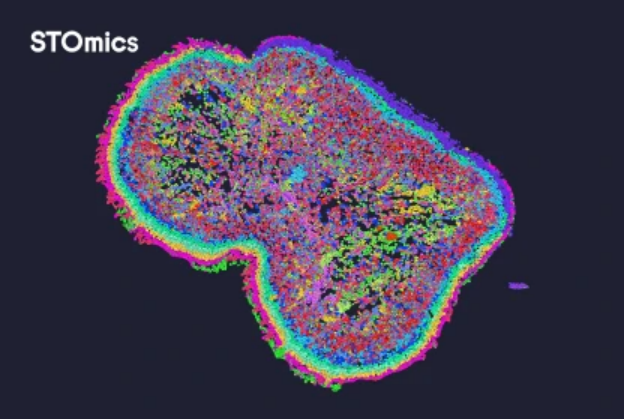
The final component allows researchers to interact with the data. Visualization modules within spatial omics software solutions enable the exploration of complex patterns through interactive maps, graphs, and layered views. Tools like STOmics’ StereoMap permit scientists to visually query their data, overlaying gene expression on tissue morphology to formulate new hypotheses. This functionality makes the conclusions drawn from spatial omics solutions accessible and actionable.
In essence, spatial omics software solutions are indispensable for unlocking the value of spatial biology data. They provide a structured pipeline from data integration through to visual exploration. By handling each specialized step, these spatial omics solutions, such as those offered by STOmics, allow researchers to concentrate on scientific questions rather than computational complexity.
