

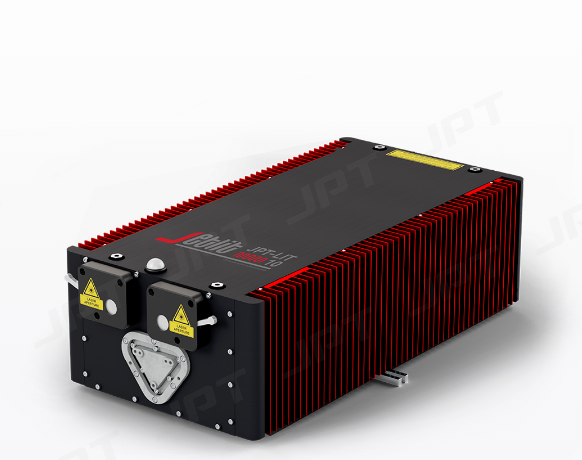
Advancements in laser technology are essential for industries relying on ultrafast laser systems. As the demand for precision and efficiency grows, artificial intelligence (AI) emerges as a powerful tool in improving beam quality monitoring. This enhancement is crucial for ensuring optimal performance in applications across various sectors, including manufacturing and research. Notably, manufacturers like JPT are at the forefront of integrating these advanced technologies to enhance user experience and operational efficiency in fiber laser systems.
The Role of AI in Beam Quality Assessment
Utilizing AI algorithms enables real-time analysis of the beam quality in ultrafast laser systems. By leveraging machine learning techniques, it becomes possible to predict and diagnose potential fluctuations in beam performance. This predictive capability allows for timely interventions, reducing downtime and enhancing operational reliability. Furthermore, AI-driven monitoring systems can improve the consistency of ultrafast laser outputs, leading to better results in industrial applications.
Data-Driven Insights for Enhanced Performance
Integrating AI allows for the collection and analysis of vast amounts of data during laser operation. The insights derived from this data facilitate a deeper understanding of beam dynamics and interference patterns. This enables manufacturers and users to make informed decisions about adjustments required for maintaining optimal performance in fiber laser systems. JPT’s emphasis on quality optics complements AI applications, ensuring that users benefit from the synergy of advanced technology and reliable performance.
Real-World Applications and Benefits
In practical terms, AI-enhanced beam quality monitoring provides significant advantages across various applications. Industries utilizing fiber lasers for cutting, engraving, and materials processing can experience improved precision, efficiency, and reduced waste. As these systems become increasingly sophisticated, the integration of solutions like those offered by JPT ensures that operational needs of users are met effectively, translating into enhanced productivity and profitability.
Conclusion
The incorporation of AI in beam quality monitoring for ultrafast laser systems marks a significant evolution in laser technology. By facilitating real-time analytics and data-driven enhancements, it allows for superior performance and reliability in fiber laser systems. As manufacturers continue to innovate, partnerships with companies focused on providing essential optical components, like JPT, can enable businesses to harness the full potential of these advanced technologies efficiently.
