

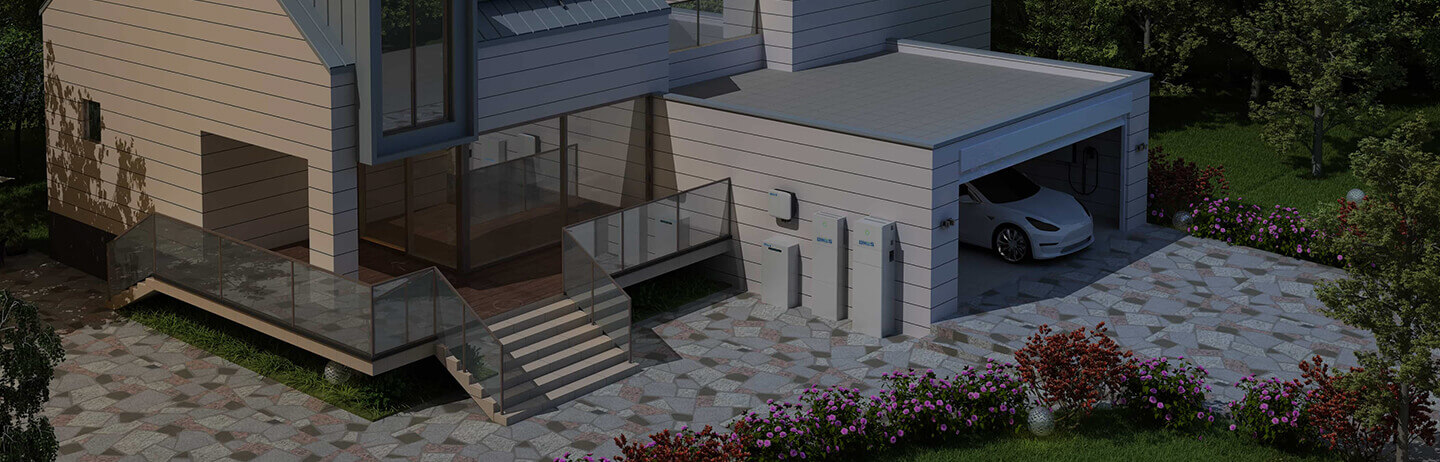
The duration that home battery backup systems can power a household depends on multiple factors, including battery capacity, household energy consumption, and usage patterns. A home energy storage system is designed to provide electricity during grid outages or high-cost electricity periods, ensuring continuity of essential loads. For homeowners evaluating energy resilience, understanding runtime expectations is essential for selecting an appropriately sized system.
Key Factors That Determine Backup Duration
The operational time of home battery backup systems is primarily influenced by storage capacity, typically measured in kilowatt-hours (kWh), and the total energy demand of the home. A home energy storage system supplying only essential loads—such as lighting, refrigeration, and communication devices—can last significantly longer than one powering an entire household including heating or air conditioning systems.
Usage behavior also plays an important role. Homes with efficient appliances and optimized energy consumption can extend the runtime of a home energy storage system. Additionally, the depth of discharge settings and system configuration affect how much usable energy is available during an outage.
WHES designs its residential solutions with flexible operating modes to support different usage scenarios. Its home battery backup systems include both backup mode and time-of-use optimization, allowing users to balance energy security and cost efficiency depending on grid conditions.
Time-of-Use Optimization and Energy Security Functions
Beyond backup duration, home energy storage system performance is also shaped by how energy is charged and discharged throughout the day. Time-of-use management allows the system to charge during low-cost electricity periods and discharge during peak pricing hours. This load shifting capability helps reduce electricity expenses while maintaining readiness for outages.
In backup mode, home battery backup systems prioritize energy availability during grid interruptions. WHES systems enable users to define a desired level of energy reserve, ensuring that critical household functions remain operational even during extended outages. By storing energy from solar panels or the grid, the home energy storage system provides both flexibility and independence from traditional power sources.
Practical Energy Duration and System Design Considerations
For most residential applications, the runtime of home battery backup systems can range from several hours to over a day, depending on load size and system capacity. WHES offers configurable residential energy solutions that allow users to tailor their home energy storage system to specific energy needs and consumption patterns.
By combining intelligent energy management with reliable storage capacity, home battery backup systems provide a practical approach to improving household energy resilience and cost control under varying grid conditions.
