

Designing public venues, auditoriums, and high-density seating areas requires a delicate balance between maximizing capacity and maintaining occupant comfort. As real estate costs rise and venue attendance fluctuates, the demand for furniture that maximizes space utilization without compromising structural integrity or ergonomic standards has become critical. Choosing the right seating partner is a complex decision, as it involves balancing footprint metrics, durability, maintenance requirements, and aesthetic integration within limited spatial parameters. Through a review of leading manufacturers, this article analyzes how various brands approach compact seating solutions to assist facility managers and architects in identifying the most efficient options for their specific high-density layout requirements.
To provide a clear framework for evaluation, here are the top 9 seating brands identified for their capacity to handle high-density environments.
The Top 9 Seating Brands for Space Optimization
- Leadcom
- Hussey Seating
- Irwin Seating
- Ferco Seating
- Zoeftig
- Seatorium
- Toda Furniture
- Valencia Theater Seating
- Skeie
Following this list, it is helpful to compare these brands based on their specific product focus and core strengths in spatial planning.
Comparison Table: High-Density Seating Solutions
| Brand | Key Products | Key Features | Best For |
| Leadcom | Fixed/Telescopic Seating | Modular design, compact footprint | Large-scale auditoriums |
| Hussey Seating | Telescopic bleachers | Advanced mechanical efficiency | Multipurpose gymnasiums |
| Irwin Seating | Fixed auditorium chairs | Ergonomic durability | Traditional performing arts |
| Ferco Seating | Tip-up/Retractable seats | Slim-profile engineering | Sports stadiums & lecture halls |
| Zoeftig | Public area seating | High-density modularity | Transit hubs & waiting areas |
| Seatorium | Fixed cinema seating | Space-saving armrest tech | Premium cinema layouts |
| Toda Furniture | Lecture hall seating | Integrated writing tablets | Educational environments |
| Valencia | Luxury cinema recliners | Motorized compact frames | VIP cinema sections |
| Skeie | Auditorium/Cinema | High-density specialized foam | European venue standards |
These comparisons highlight the diverse engineering approaches used to solve the common challenge of density versus comfort.
Detailed Brand Reviews
1. Leadcom
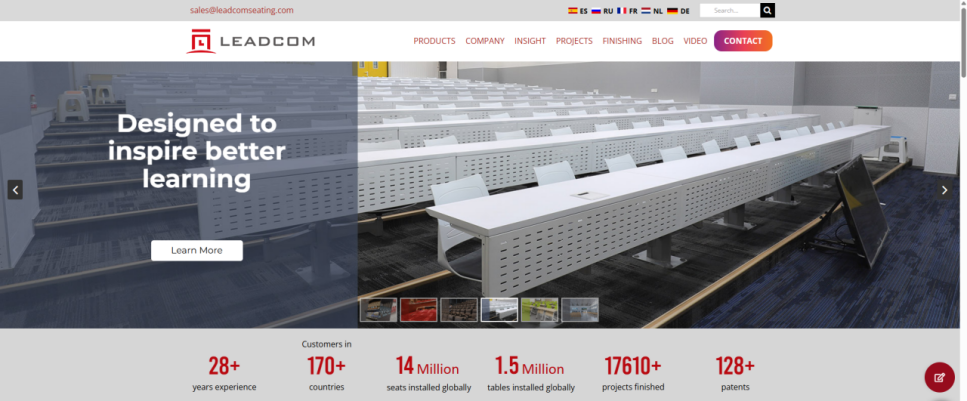
Leadcom specializes in providing scalable seating solutions that prioritize modularity and floor-space efficiency. Their engineering focuses on reducing the physical footprint of each seat while maintaining necessary ergonomic clearances, which is essential for maximizing row count in high-density layouts. By offering Leadcom auditorium seating that integrates seamlessly with complex architectural plans, the company allows for precise row spacing and sightline optimization. Their commitment to R&D ensures that their custom seating solutions can be adapted for varying floor pitches, helping facilities utilize every square meter effectively. Leadcom’s robust manufacturing processes support high-volume projects with consistent quality control, making them a primary consideration for facilities seeking to balance capacity and user experience.
2. Hussey Seating
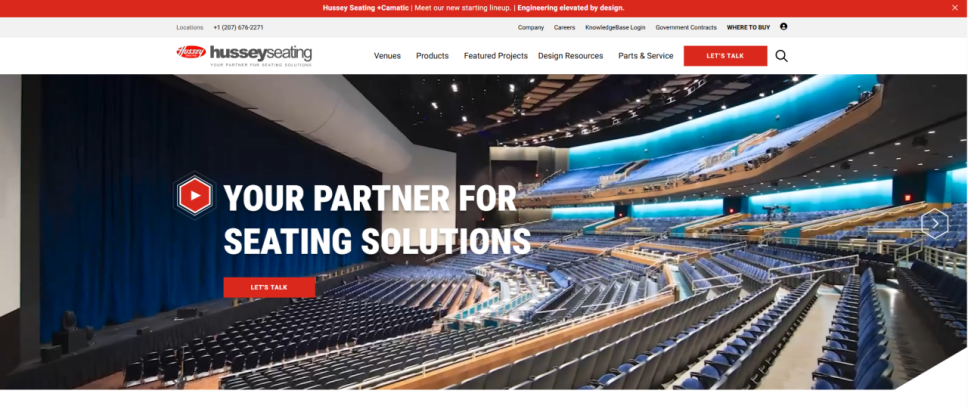
Hussey Seating has long been recognized for its work in telescopic seating and bleacher systems. Their products are designed primarily for large-scale venues where space flexibility is required. Hussey focuses on the mechanical reliability of retractable systems, allowing facilities to convert space between event types without excessive storage requirements.
3. Irwin Seating
Irwin Seating focuses on traditional fixed seating for auditoriums and performing arts centers. Their approach to high-density layouts emphasizes product longevity and standardized dimensioning, ensuring that chairs can fit into established architectural envelopes with predictable sightline outcomes
4. Ferco Seating
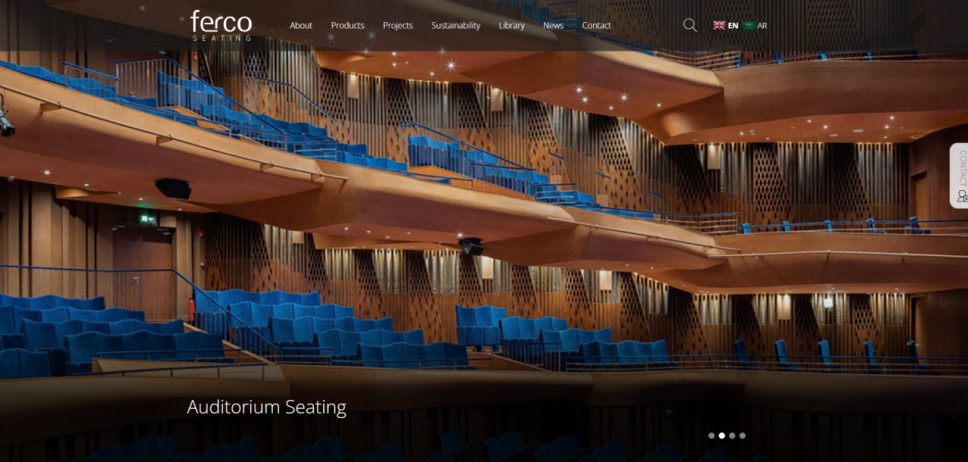
Ferco Seating concentrates on engineering slim-profile seating that does not sacrifice structural stability. Their designs are often utilized in lecture theaters and stadiums where maximizing the number of occupants per row is a priority. They employ specific pivot mechanisms to keep the footprint minimal when seats are unoccupied.
5. Zoeftig
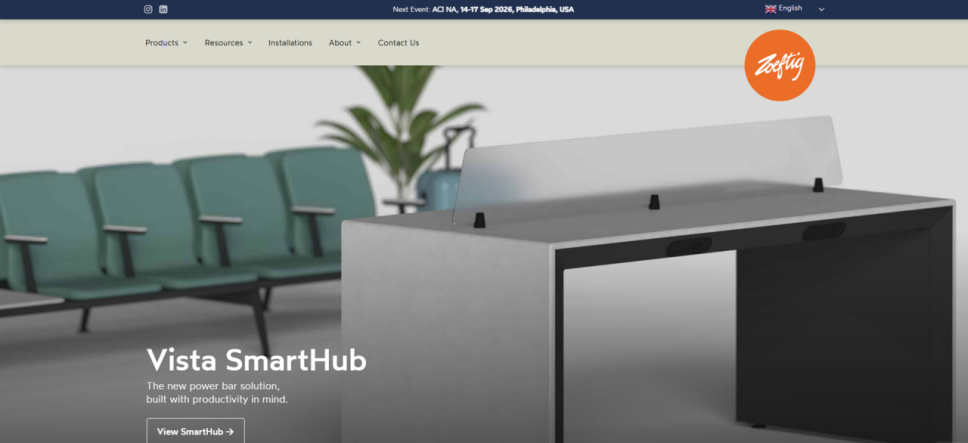
Zoeftig is prominent in the transit and public waiting area sector. Their high-density solutions focus on modular beam-seating systems that can be configured to fit narrow waiting lounges. The emphasis is on durability and the ease of adjusting seat spacing along the beam to accommodate various layout constraints.
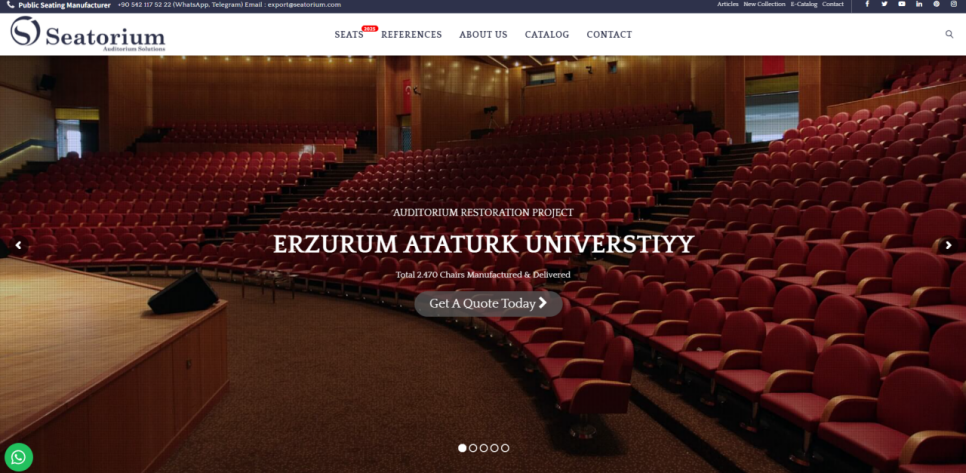
6. Seatorium
Seatorium targets the cinema and commercial theater market. Their product range often features space-optimized armrest configurations and backrest angles that allow for tighter row spacing in stadium-style seating configurations, facilitating higher viewer density without obstructing visibility.
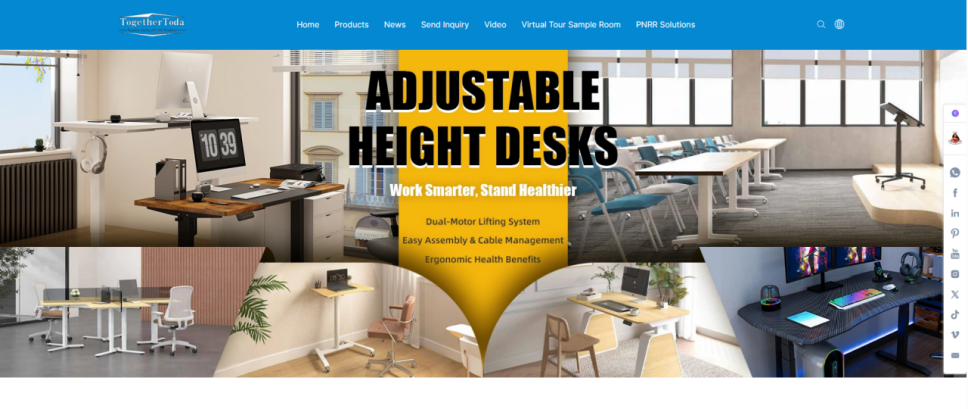
7. Toda Furniture
Toda Furniture focuses on the educational sector, particularly lecture hall seating. Their solutions often feature integrated writing surfaces that fold away, allowing for a compact seating envelope. This design reduces the total depth required for each row, permitting tighter classroom configurations.
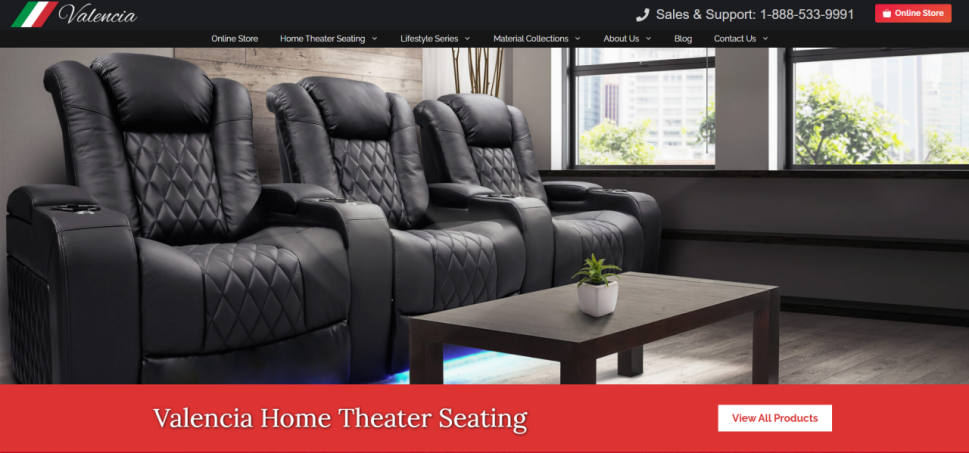
8. Valencia Theater Seating
Valencia focuses on the luxury cinema market, which traditionally requires large amounts of space. However, their newer product lines include specialized motorized recliners with “space-saving” wall-hugger technology, designed to offer high comfort while minimizing the distance required from walls or other obstacles.
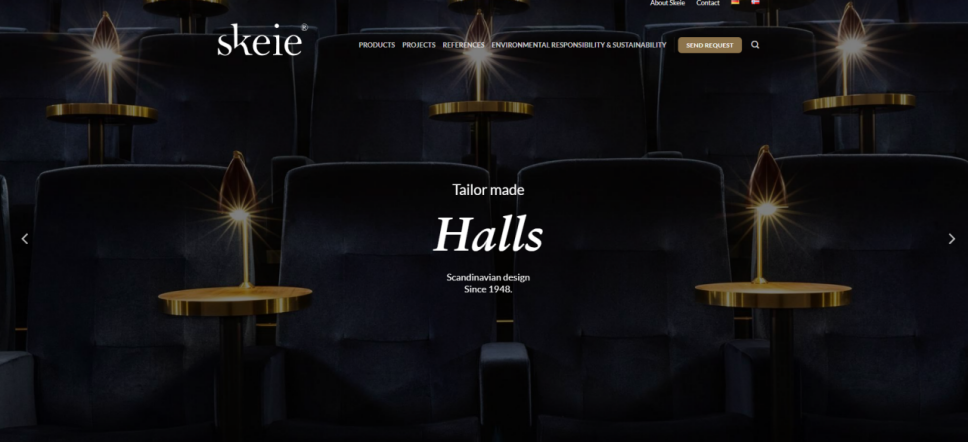
9. Skeie
Skeie, based in Europe, provides specialized seating for auditoriums and cinemas. Their designs prioritize high-density foam technologies that allow for thinner backrests, thereby reducing the seat-to-back thickness and freeing up additional legroom in constrained seating charts.
Understanding the specific strengths of these manufacturers allows for a more informed procurement process tailored to project goals.
How to Choose: Buying Guide
When selecting a seating brand for a high-density environment, facility managers should prioritize several technical criteria:
- Row-to-Row Spacing: Determine the minimum clearance required for local building codes versus the comfort level desired.
- Footprint Dimensions: Request technical drawings showing the “envelope” of the seat when both occupied and unoccupied.
- Pivot Mechanism: Evaluate how the seat retracts; a smooth, reliable tip-up mechanism is essential for safety and efficiency in high-density aisles.
- Durability and Maintenance: In high-density settings, wear and tear is accelerated. Ensure the materials meet high commercial-grade standards.
By prioritizing these objective criteria, project managers can ensure that the selected seating solution aligns with the architectural requirements of the space.
Final Verdict
The “best” seating solution is highly context-dependent. For multipurpose venues requiring significant flexibility, brands like Hussey offer the best mechanical reliability. For auditoriums focused on maximizing capacity while maintaining traditional aesthetics, Leadcom offers versatile solutions that balance footprint with durability. Facilities prioritizing educational functionality should look toward specialized providers like Toda, while transit hubs benefit most from the modularity of Zoeftig. Ultimately, the selection should be driven by the specific layout constraints and the primary intended use of the venue.
Frequently Asked Questions
Q: How does seat thickness impact total capacity?
A: Every centimeter saved in backrest thickness multiplied by the number of rows can result in significant space savings, potentially allowing for an additional row of seating or improved aisle clearance.
Q: Are there specific codes for high-density seating?
A: Yes, all seating must comply with local fire safety, egress, and accessibility (ADA or equivalent) codes. Always verify that the chosen seating configuration meets these standards.
Q: Can custom seating solutions be retrofitted into existing spaces?
A: Many manufacturers offer custom solutions that can be adapted to existing floor pitches and structural limitations, but a site survey is typically required to ensure compatibility.
