

Missing plate characters and repeated plate records demand different responses. The first leaves identity information incomplete; the second may reflect a repeated observation, a typing error, or a genuine record conflict. Treating them alike can attach a correction to the wrong visit. Evidence from the actual event must establish the problem before an operator changes a parking record or authorizes an action.
What Remains When a Plate Is Unreadable
Missing characters do not remove the surrounding evidence. The available image may still show a vehicle, a partly visible plate, or an obstruction, while the event supplies a time and location. Operators can use the saved image, time, and location to check the vehicle’s identity without guessing missing plate characters. An unresolved reading can remain pending while verification continues.
Within LPR parking management systems, a failed read needs to remain distinguishable from a confirmed identifier. Staff can check visible characters against the vehicle, seek another available observation, or ask for assistance according to the site’s procedure. A manual entry becomes useful only after its source and association with the current visit have been checked.
The parking operations LPR team can record which characters were verified, what remained uncertain, and whether the vehicle record was corrected. Keeping the original observation alongside the later entry distinguishes evidence from interpretation. A cleaner number in the record alone cannot show whether the operator linked it to the right arrival.
Two Records Need More Than a Matching Number
Two rows sharing a plate number may represent two observations of one passage or separate passages requiring separate records. A repeated trigger is an event question; an apparent identity conflict is an association question. Comparing timestamps, camera or lane source, direction, and available images can separate those possibilities without declaring a duplicate solely from the text. Similar timestamps alone cannot establish that both describe one vehicle.
A review of records from LPR parking management systems can test whether both entries describe the same arrival or departure. Where available, vehicle appearance and the sequence of surrounding events provide additional context. If similar plate numbers are linked to different vehicle details, the records need further checking before any decision to combine them.
A parking operations LPR review also needs to consider human entry errors. A mistyped character can connect a visit to an unrelated record even if the source photograph is usable. Checking the entered text against the original evidence addresses that mismatch without erasing a separate, legitimate vehicle event.
Unresolved discrepancies justify retaining separate observations while a responsible person checks them. Automatic deletion or merging is not a safe assumption simply because numbers match. Any correction needs a recorded reason supported by the evidence. Unresolved links between records must remain visible for later review rather than being hidden within a merged record.
Human Assistance and Accountable Correction
Authority to change a record remains with the site’s designated personnel, not with the device itself. The operator responsible for parking operations LPR needs a defined route for checking evidence and obtaining permission for the proposed action. In LPR parking management systems, that route must distinguish assistance from authorization to change a visit or charge.
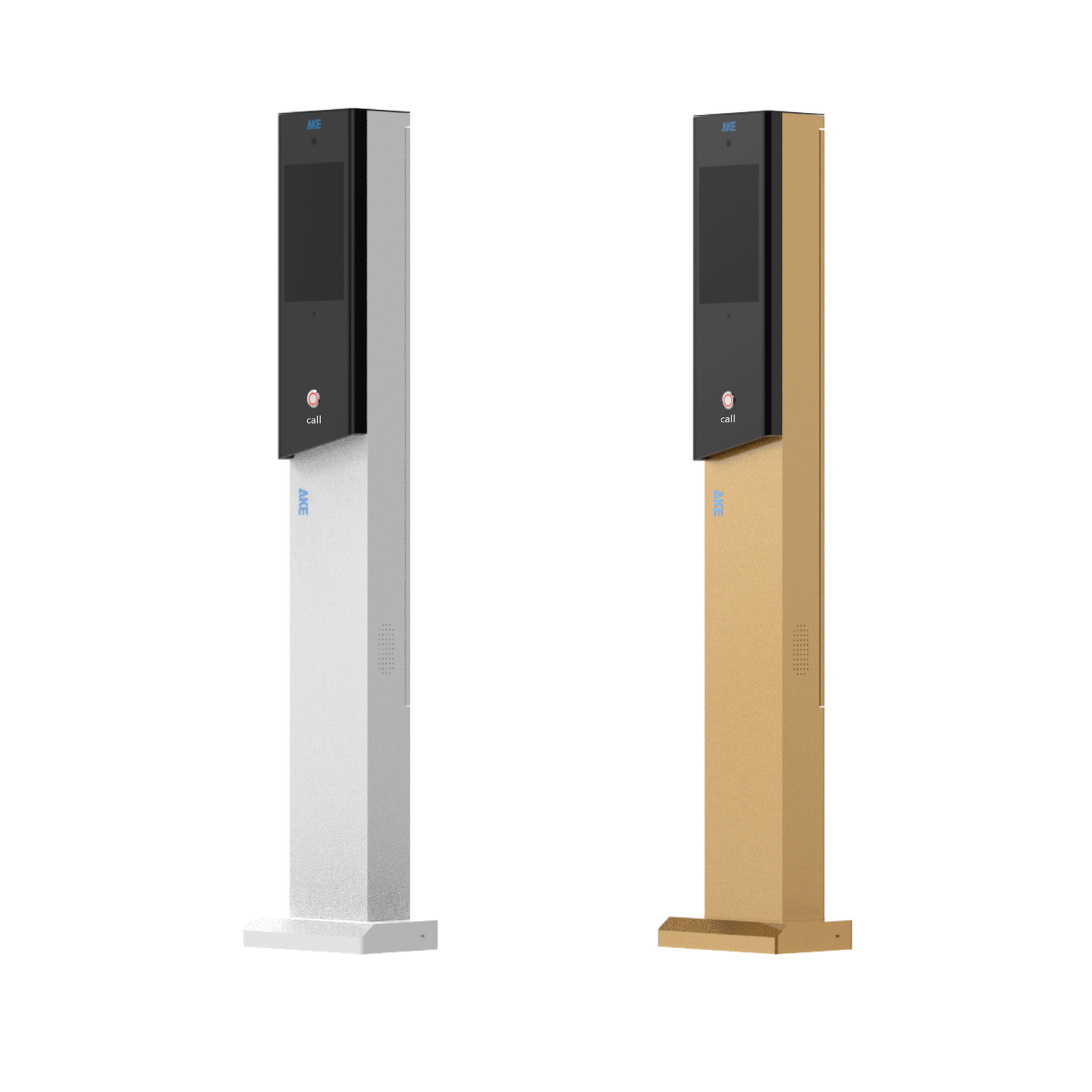
At an unattended entrance, AKE Parking’s Video Parking Help Point Terminal puts the driver in contact with a central control room or service center through a one-touch call. Two-way video and remote assistance bring a human operator into the conversation. Its 10.1-inch screen can present dynamic QR codes, payment information, and interaction prompts.
The Voice Parking Help Point Terminal connects one-touch calls to the central management office, with voice data sent to the cloud platform in real time. Pressing the button for three seconds ends the call. These communication functions support staff involvement; the person handling the case still needs the authority and evidence required for any record correction.
Street and curbside staff face a different working setting. AKE Parking‘s Parking Enforcement Handheld combines plate recognition with manual entry when dirt, obstruction, or poor readability prevents a usable read. Mobile data communication, barcode or infrared scanning, and thermal receipt printing support field tasks. The entry must still be compared with the vehicle and the relevant parking event.
The handheld specifies IP66 protection and resistance to a 1.2m drop from multiple sides for field use. Its stated operating temperature range is -20°C to +55°C. Brand-logo printing, pre-installed payment software, and customized algorithm firmware are available. Those deployment choices remain separate from an operator’s procedure for resolving repeated events or deciding whether two records refer to the same vehicle.
AKE Parking also offers SaaS subscriptions as a deployment option. The chosen arrangement still needs to define staff roles, permitted corrections, and where supporting evidence is kept. Recording the original observation, the authorized action, and the reason for it is an operational practice, rather than a capability established merely by subscribing.
After an exception, the next operator needs to understand what was observed and why a correction was accepted or deferred. Preserving the original evidence with the decision and responsible person’s details keeps that distinction available. A later disagreement about a charge or passage can then be examined against the confirmed event, without a matching number having silently erased a separate or unresolved record.
