

Carbon dioxide (CO₂) is a naturally occurring component of the atmosphere, but elevated concentrations can create serious hazards in enclosed shipboard spaces. Cargo holds, compressor rooms, machinery spaces, and other enclosed areas can develop unsafe atmospheres depending on cargo, operations, ventilation, and the characteristics of the space.
CO₂ deserves particular attention because it can accumulate without providing a visible warning. Effective monitoring can help crews identify changing atmospheric conditions before personnel enter or continue working in potentially hazardous areas.
Understanding IMO Requirements for CO₂ Monitoring
It is important to distinguish between the general SOLAS requirements for enclosed-space atmosphere testing and requirements that apply to particular ship types or spaces. SOLAS XI-1/7 establishes minimum capabilities for portable atmosphere testing instruments, including measurement of oxygen, flammable gases or vapours, hydrogen sulphide, and carbon monoxide.
For specific vessels and operations, additional gas-monitoring considerations can apply. For example, the IMO’s International Code of Safety for Ships using Gases or other Low-flashpoint Fuels, known as the IGC Code, includes provisions related to monitoring carbon dioxide buildup in certain enclosed spaces. The IMO’s 2025 Code on Alerts and Indicators also identifies CO₂ buildup monitoring under relevant IGC Code provisions.
The practical lesson is that shipowners should select monitoring equipment according to the vessel, cargo, enclosed-space hazards, applicable IMO instruments, flag-state requirements, and classification requirements rather than assuming that one detector configuration suits every ship.
Selecting the Right Gas Detector for Shipboard Use
A suitable Gas Detector should match the hazards that may realistically occur in the space being tested. The IMO’s revised recommendations for entering enclosed spaces, adopted in 2025, specifically state that gas detection equipment should be appropriate for the cargo being or previously carried. They also emphasize that equipment used for testing CO₂ should be capable of operating correctly in oxygen-depleted atmospheres.
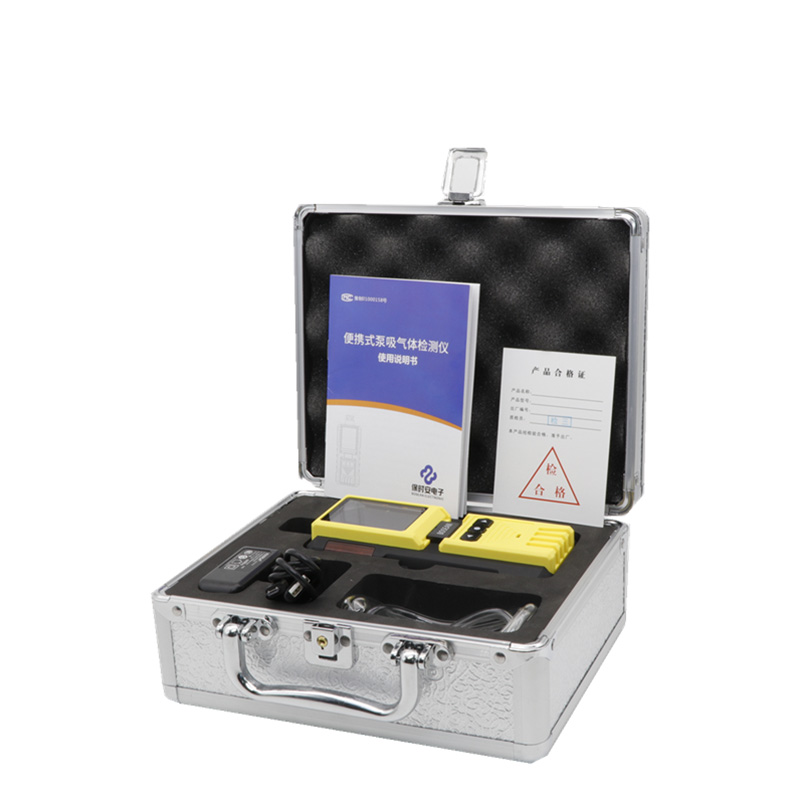
Portability is another practical consideration. Ship crews may need to test several locations, including areas that are difficult to access with fixed instruments. A portable Gas Detector can support pre-entry checks and repeated atmospheric testing during work.
Equipment selection should also consider sensor configuration, measurement range, alarm functions, battery performance, environmental protection, calibration requirements, and suitability for the intended marine application. These details should always be checked against the manufacturer’s technical documentation before procurement.
Testing Procedures Matter as Much as Equipment
Even a capable instrument cannot replace proper testing procedures. The IMO recommends that enclosed-space atmosphere testing be performed with properly calibrated equipment by personnel trained in its use. Testing should take place before entry and continue at regular intervals while work is being performed.
Atmospheric conditions can also vary within the same space. Gas stratification, ventilation patterns, structural compartments, and the nature of the cargo may create different conditions at different levels or locations. IMO guidance therefore recommends testing at as many levels and areas as necessary to obtain a representative understanding of the atmosphere.
For shipboard safety programs, this means CO₂ monitoring should be incorporated into a broader atmosphere-testing procedure rather than treated as an isolated measurement. Crews should understand what gases need to be tested, where measurements should be taken, how frequently testing should occur, and what actions are required when readings become unsafe.
Integrating Portable Monitoring into Ship Operations
Portable monitoring equipment can be useful during inspections, maintenance, cargo-related operations, and enclosed-space entry procedures. Before deployment, operators should verify that the selected instrument is designed for the gases of interest and appropriate for the expected operating environment.
Bosean provides a broad range of portable gas detection equipment, including single-gas and multi-gas detectors, as well as marine-oriented models. Its portable gas detector range includes products such as the K-600 Marine 5 in 1 Multi Gas Detector and BT-S40 Marine 5 in 1 Multi Gas Detector.
Because different ships have different monitoring requirements, buyers should confirm the exact sensor combination and specifications of the selected model before placing an order. Where CO₂ measurement is required, the configuration should be specifically verified rather than inferred from the product category.
Building a More Reliable CO₂ Monitoring Strategy
A reliable shipboard monitoring strategy combines appropriate equipment, documented procedures, trained personnel, and regular maintenance. Calibration and functional checks should follow the manufacturer’s instructions and the vessel’s safety management procedures.
Operators should also maintain records of inspections, calibration, testing, and equipment condition. These records can support internal safety management and demonstrate that atmosphere-testing practices are being actively maintained.
When selecting equipment, shipowners and marine contractors should also consider whether the detector can accommodate the gases relevant to their operations. For specialized requirements, it is useful to consult the manufacturer directly before procurement. Contact Us to discuss the intended application, required gases, and suitable product configuration.
About Bosean
Bosean, formally Henan Bosean Technology Corporation Limited, was founded in 2013 and specializes in gas detection and measurement instruments and related technical services. Its portfolio covers portable gas detectors, fixed gas detection systems, gas alarms, air quality monitors, nuclear radiation detectors, and other measurement equipment. The company also serves international customers and supports customized gas-detection solutions.
For marine operators evaluating portable atmosphere-testing equipment, choosing the correct configuration is essential. A consultation can help clarify sensor requirements and application conditions before procurement. “Contact Us” for product guidance and further information.
