

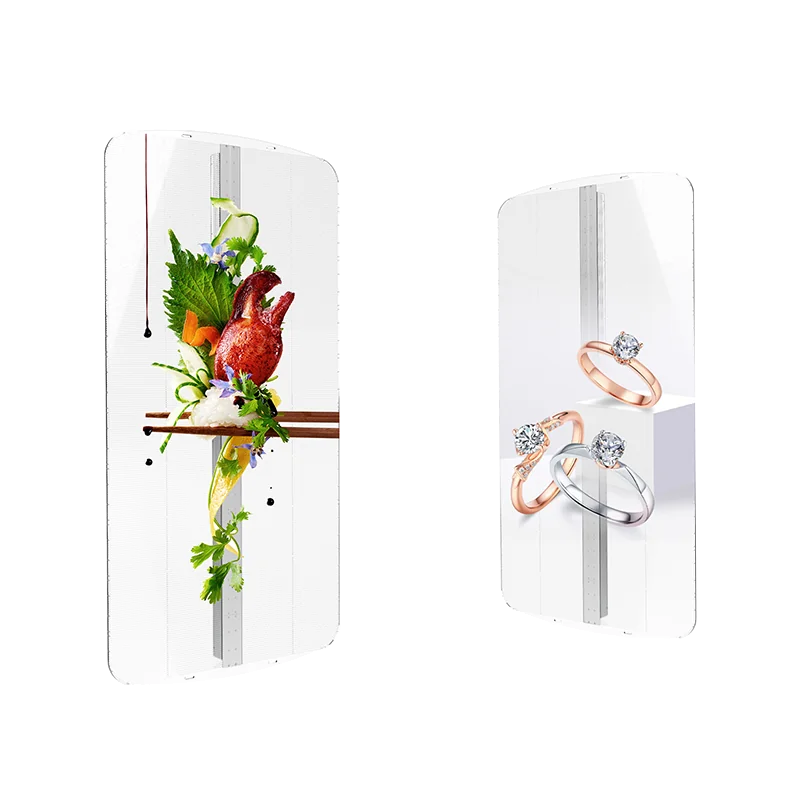
Commercial display buyers are increasingly looking for technologies that combine digital advertising with attractive interior design. Retail stores, shopping malls, showrooms, and branded commercial spaces need displays that deliver engaging content without completely blocking sightlines or overwhelming the surrounding architecture. Transparent LED screens address this demand by allowing digital visuals to coexist with visible backgrounds, creating a different balance between advertising and spatial openness.
However, purchasing decisions involve more than the screen’s initial price. Installation requirements, display performance, maintenance access, content management, and the intended business application all affect long-term value. For procurement managers and commercial display integrators, understanding these factors makes it easier to compare solutions and estimate the total project investment. HDC, a high-tech enterprise integrating research and development, manufacturing, sales, and service for creative and commercial LED displays, offers an all-in-one transparent LED screen designed around transparency, lightweight construction, and integrated visual presentation.
What Determines All-in-One Transparent LED Screen Pricing?
There is no universal price for transparent LED displays. Costs vary according to screen dimensions, pixel pitch, brightness, transparency, control equipment, installation complexity, and customization requirements. An all-in-one product may also include integrated components that would otherwise need to be sourced separately, so buyers should examine the complete configuration rather than compare product names alone.
Pixel pitch affects image detail and component density. Finer pitches can improve close-range viewing but may increase hardware costs. Brightness requirements also depend on ambient lighting, particularly for storefront windows exposed to daylight. Buyers should specify the intended viewing distance and lighting conditions before requesting quotations.
Another important consideration is whether the quotation covers only the display or the complete installation. Mounting structures, controllers, electrical work, transportation, commissioning, and content preparation may add substantial costs. Comparing itemized quotations with equivalent specifications gives procurement teams a more reliable basis for supplier selection.
Lightweight Design Can Improve Installation Value
Display weight and thickness influence more than transportation expenses. They affect mounting requirements, installation access, structural loading, and the amount of space occupied by the equipment. These factors are particularly relevant to retail interiors, where preserving an open appearance is often part of the design brief.
HDC‘s all-in-one transparent LED screen is described as weighing 28 kg, with an overall product thickness of 55 mm. The supplied product information also states that its weight is reduced by more than 20% compared with traditional screens. These figures can help project teams assess space and handling requirements, although the comparison baseline should be confirmed with HDC before procurement.
The product is designed to combine digital content with transparency, allowing the display to remain visually integrated into a store environment when switched off. For retailers, this can help preserve the appearance of merchandise and interior spaces outside advertising hours. Actual visibility through the screen will depend on its construction, installation position, and surrounding conditions.
Assess Value Through the Complete Operating Lifecycle
The lowest initial quotation does not necessarily represent the best investment. Commercial buyers should estimate total cost of ownership across the expected operating period, including energy consumption, routine maintenance, spare parts, repairs, and potential downtime. Accessibility for servicing is especially important when displays are installed in busy stores or difficult-to-reach locations.
An effective purchasing evaluation should cover several questions:
What are the product’s average and maximum power consumption figures?
Which components can be serviced or replaced, and how accessible are they?
What warranty coverage, spare parts, and technical support are available?
Are control systems and installation services included in the quotation?
Can the supplier provide verified performance specifications for the intended environment?
These questions help buyers compare practical operating requirements rather than relying on appearance or headline pricing. They also provide a clearer framework for discussing service responsibilities with the manufacturer and installation contractor.
Match the Display to the Commercial Application
The value of a transparent display depends on how effectively it serves the space and its audience. Retailers may prioritize storefront visibility and promotional flexibility, while showrooms may emphasize product presentation and architectural integration. Shopping centers may have different requirements for viewing distance, operating schedules, and content management.
HDC positions its transparent display around a combination of lightweight construction, intelligent design, and visual presentation. Its product description highlights the use of screens in different store locations to present different content, supporting coordinated visual experiences. Buyers should confirm the available control functions and system compatibility before assuming that a particular content workflow is supported.
An all-in-one transparent LED screen is suitable when its visual benefits justify the required investment and its technical specifications match the installation. A site assessment, sample evaluation, and detailed quotation can help determine whether the proposed system meets the project’s commercial objectives.
Make Pricing Decisions Based on Measurable Value
Transparent LED displays can help businesses combine advertising with open, visually appealing commercial environments. However, a sound purchasing decision requires more than a comparison of upfront prices. Buyers should evaluate image requirements, transparency, installation needs, energy consumption, servicing, and the full scope of the supplier’s quotation.
For businesses considering HDC, the stated 28 kg weight and 55 mm thickness provide useful starting points for evaluating the product’s physical design. The next step is to obtain the complete technical specification and a project-specific quotation, ensuring that all costs and performance requirements are clearly documented. This approach helps procurement teams balance creative goals with budget control and long-term operational value.
