

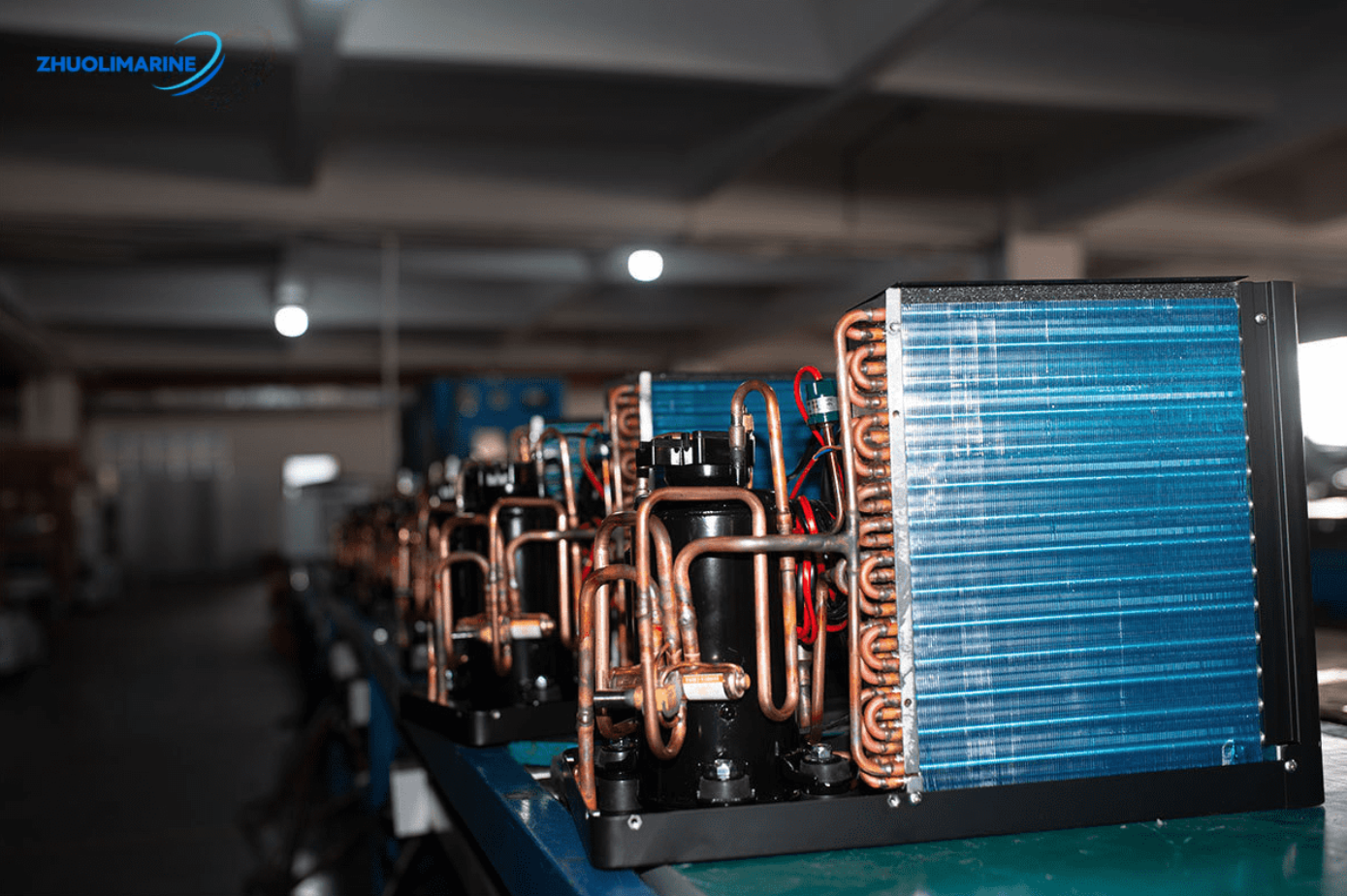
Marine HVAC systems are facing new expectations as the maritime industry focuses on energy efficiency and lower environmental impact. Ship owners, operators, and equipment buyers are paying more attention to power consumption, refrigerant selection, and long-term operating costs.
For manufacturers, the transition requires a balance between technical performance, compliance needs, and practical installation conditions. Understanding these changes helps companies prepare suitable solutions for future marine applications.
Changing Efficiency Requirements in Marine HVAC Applications
Energy efficiency has become an important factor in marine HVAC design. Modern vessels need climate control systems that can provide stable comfort while reducing unnecessary energy use. This is especially important for commercial ships, passenger vessels, and offshore platforms where equipment operates for long periods.
Manufacturers are reviewing system structures, compressor technologies, heat exchanger designs, and control methods. These improvements help reduce energy demand during different operating conditions while supporting more sustainable vessel management.
How System Design Supports Lower Energy Consumption
A well-designed HVAC system depends on cooperation between multiple components. Compressors, fans, control systems, and heat transfer parts need to work together to maintain suitable performance. Poor matching between components may increase energy consumption during daily operation.
For marine projects, designers also need to consider limited installation space, vibration, humidity, and changing sea conditions. These factors influence equipment selection and affect the overall efficiency of climate control systems.
Refrigerant Changes and Future Marine HVAC Development
Refrigerant selection is another major topic in the decarbonization roadmap. The industry is moving toward refrigerants with lower environmental impact, and manufacturers need to evaluate safety, system compatibility, and maintenance requirements during this process.
New refrigerant solutions may require adjustments to system design, including component materials, operating pressure management, and service procedures. Companies involved in marine HVAC production need to follow changing regulations and develop systems suitable for future market requirements.
Practical Considerations for marine AC service in Modern Vessels
Maintenance plays an important role in keeping marine HVAC equipment operating efficiently. Regular inspection of filters, refrigerant systems, electrical components, and heat exchange parts helps identify common performance issues before they affect vessel operations.
For ship operators, reliable marine AC service also involves professional technical support and suitable replacement components. A maintenance plan based on actual vessel conditions can help reduce unexpected downtime and support stable system performance during long-term use.
Material Selection and Engineering Needs for Marine Environments
Marine environments create special challenges for HVAC equipment. Salt air, moisture, and continuous operation can influence equipment durability. Manufacturers need to consider corrosion resistance, structural design, and component reliability when developing marine climate solutions.
The selection of materials and production processes affects how systems perform in different applications. Engineering teams often need to evaluate vessel type, installation location, cooling requirements, and maintenance access before finalizing a suitable design.
Digital Control and Smart Monitoring Trends
Digital technologies are becoming more common in marine HVAC systems. Monitoring functions can provide information about operating conditions, energy usage, and possible maintenance needs. These tools support better management decisions for ship owners and technical teams.
Smart control systems can adjust operation according to environmental changes and usage patterns. This approach helps improve resource management and provides clearer information for future equipment optimization.
Product Solutions Supporting Marine HVAC Projects
As marine HVAC requirements continue to change, choosing suitable equipment partners becomes important for project planning. ZhuoliMarine focuses on the development and production of marine air conditioning solutions and related equipment. They provide products designed for marine environments and support different project requirements through technical experience and manufacturing capabilities.
Their products are designed with consideration of application conditions and practical operation requirements. For buyers evaluating marine climate systems, working with a manufacturer that understands vessel applications can simplify communication and product selection.
Preparing for Future Compliance and Market Expectations
The 2026 decarbonization roadmap shows that marine HVAC manufacturers need to consider more than basic cooling performance. Energy efficiency, refrigerant development, maintenance requirements, and smart management are becoming connected factors in equipment decisions.
Companies that understand these trends can better respond to changing customer requirements. The future of marine HVAC will depend on practical engineering improvements and solutions that match the needs of modern vessels.
Looking Ahead at Sustainable Marine Climate Solutions
The shift toward lower-carbon marine operations is influencing HVAC technology development. Buyers are focusing on systems that combine operational efficiency, suitable refrigerant choices, and manageable maintenance processes.
During this transition, marine AC service remains an important part of equipment lifecycle management. Proper support and technical planning help vessels maintain stable climate control performance while adapting to new industry expectations.
Conclusion
ZhuoliMarine is a company specializing in marine HVAC solutions, focusing on product development, manufacturing, and support for marine applications. They provide solutions that consider vessel environments, project requirements, and long-term operational needs. Their experience helps customers evaluate suitable HVAC options for different marine projects.
Contact ZhuoliMarine to explore marine HVAC solutions designed for future efficiency and application requirements.
