

As renewable energy adoption accelerates worldwide, energy storage has become a critical technology for improving electricity reliability, reducing energy costs and supporting the transition toward cleaner power systems. However, not every energy storage project has the same requirements. Utilities, renewable energy developers and industrial companies must select solutions based on their operational goals, electricity consumption patterns and expected economic returns.
Among the most widely discussed solutions are large-scale energy storage systems and commercial & industrial (C&I) energy storage solutions. Although both technologies rely on advanced battery systems to store and release electricity, they serve different market needs. Understanding the differences between these two categories helps businesses and energy investors identify the most suitable approach for their projects.
Understanding Large-Scale Energy Storage for Grid-Level Applications
Large-scale energy storage is primarily designed for utility, renewable energy and grid-support applications. These systems typically involve high-capacity battery installations that can store significant amounts of electricity generated from renewable sources such as solar and wind power.
The main purpose of these projects is to improve grid flexibility and reliability. Renewable energy generation can fluctuate depending on weather conditions, creating challenges for power system operators. Energy storage helps address this issue by storing excess electricity during periods of high generation and releasing power when demand increases.
Utility-scale systems are commonly used for applications including peak shaving, frequency regulation, renewable energy integration and emergency power support. For power generation companies and grid operators, these capabilities can improve electricity management efficiency and reduce dependence on traditional backup resources.
Large-scale projects also require advanced safety management due to their size and operating conditions. Modern systems often include battery management systems (BMS), thermal management solutions, fire protection technologies and intelligent monitoring platforms to ensure stable long-term operation.
How C&I Energy Storage Supports Industrial Energy Management
While utility-scale systems focus on grid-level performance, commercial and industrial users often have different priorities. Factories, logistics centers, data facilities and other energy-intensive businesses typically use storage solutions to optimize electricity expenses and improve energy efficiency.
An industrial energy storage system allows companies to store electricity during lower-cost periods and use stored energy during peak-price periods. This peak-valley electricity management strategy can help reduce operating expenses and improve the financial performance of energy projects.
Industrial users are also increasingly combining energy storage with renewable energy generation. For example, companies with rooftop solar installations can use storage systems to increase renewable energy utilization instead of sending excess electricity back to the grid.
For businesses evaluating storage investments, key considerations include electricity consumption patterns, expected payback periods, available installation space and future expansion requirements. Unlike utility projects that may require hundreds of megawatt-hours of capacity, industrial solutions are often customized according to the specific needs of each facility.
Choosing the Right Energy Storage Solution Based on Project Requirements
The decision between utility-scale and C&I energy storage depends largely on the purpose of the project. Utility-scale systems are suitable for organizations managing large electricity networks or renewable energy assets, while industrial and commercial solutions are designed for companies seeking greater control over their own energy consumption.
For example, a power generation company developing a solar farm may require a large storage installation to balance renewable output and provide grid services. In contrast, a manufacturing enterprise may prioritize an energy storage system that reduces electricity costs and supports uninterrupted production.
Battery technology is another important factor influencing investment decisions. Lithium iron phosphate (LFP) battery technology has gained popularity in the energy storage industry due to its safety characteristics, long cycle life and stable performance. These advantages make it suitable for both large-scale projects and industrial applications where reliability is essential.
System integration capabilities are also becoming increasingly important. Energy storage buyers are looking beyond individual battery components and seeking complete solutions that include hardware integration, energy management systems and long-term technical support.
Wolong’s Approach to Different Energy Storage Applications
As the energy storage division of Wolong Electric Drive Group, Wolong Energy Storage combines research and development capabilities, manufacturing experience and energy technology expertise to support customers across different markets.
Backed by two modern manufacturing bases with a planned annual production capacity exceeding 10 GWh and localized European warehousing, the company combines independent R&D with group-wide manufacturing resources across 42 global sites to provide scalable, highly reliable energy storage systems worldwide.
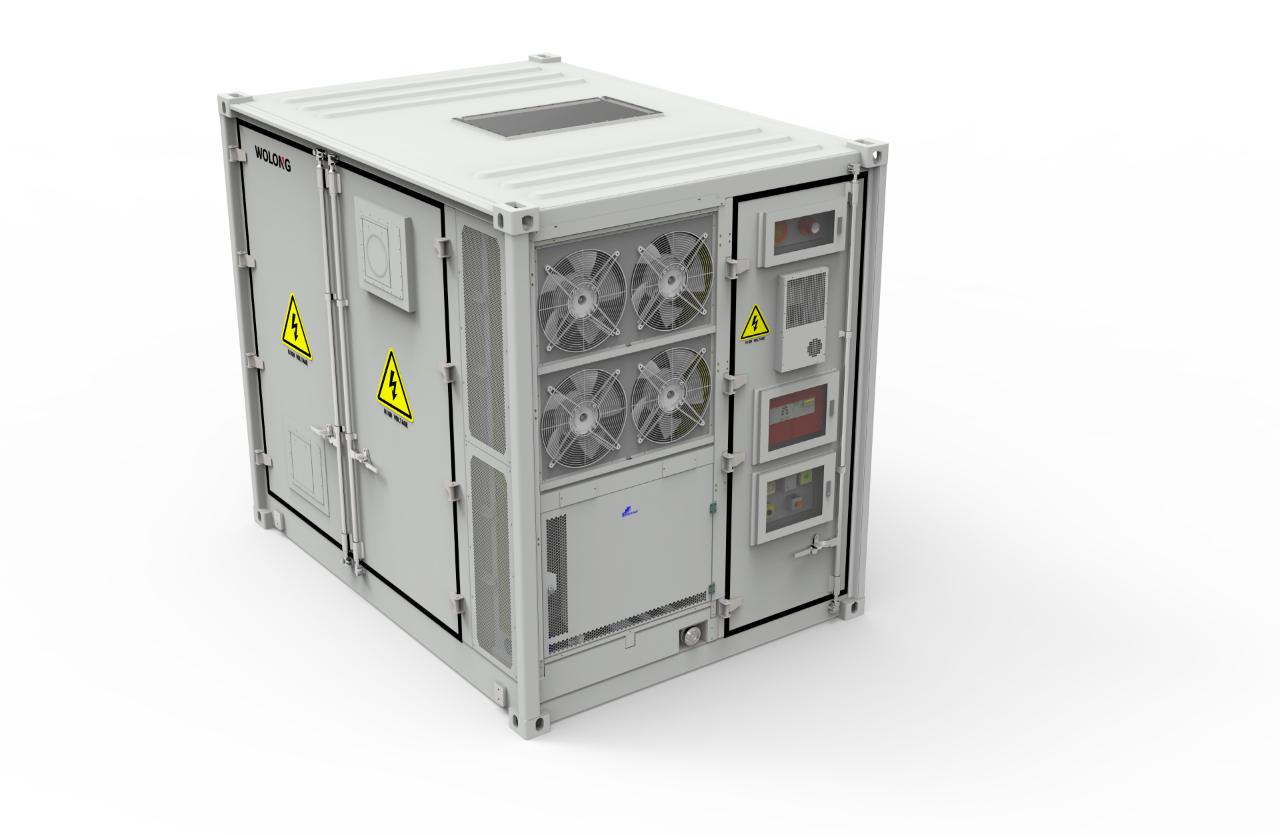
The company’s utility-scale energy storage products are developed for demanding power applications. For example, its containerized energy storage solutions integrate LFP battery technology with intelligent control systems and multiple safety protection mechanisms. The system supports large-capacity energy management while maintaining operational reliability in different environmental conditions.
For industrial customers, an industrial energy storage system from Wolong can provide a practical solution for reducing electricity expenses, improving energy efficiency and supporting sustainable business operations. By adapting system design according to customer requirements, it helps enterprises achieve better control over energy consumption.
The Future of Energy Storage Depends on Application Matching
The energy storage market will continue expanding as governments, utilities and enterprises invest in renewable energy and smarter electricity infrastructure. However, successful deployment depends on selecting the right technology scale for each application.
Utility-scale projects will remain essential for strengthening power grids and supporting renewable energy development, while C&I solutions will continue helping businesses improve energy efficiency and reduce operating costs.
Through continuous innovation and system integration capabilities, Wolong supports customers seeking reliable energy storage solutions for different scenarios. By matching storage technology with specific operational needs, businesses can maximize economic value while contributing to a more flexible and sustainable energy future.
