

Achieving consistent therapeutic outcomes for obstructive sleep apnea requires an objective, continuous understanding of nightly breathing metrics. Sleep medicine has undergone a rapid transformation, evolving from localized standalone equipment into a comprehensively linked digital ecosystem.
Deploying an advanced CPAP device serves as a vital method for maintaining upper airway patency and preventing chronic nocturnal hypoxemia. However, the true value of modern treatment relies heavily on the underlying communication software integrated into the machine.
This interconnected approach shifts the standard care paradigm from a reactive troubleshooting model to proactive clinical management. Continuous communication channels enable healthcare networks to resolve minor therapy complications before they lead to complete treatment abandonment.
Defining Clinical Compliance in Positive Airway Pressure Therapy
Clinical compliance in sleep therapy is traditionally evaluated by tracking both the duration of nightly use and the reduction of physiological events. Regulatory bodies and insurance providers frequently demand objective usage logs, such as four hours of nightly therapy across a set period.
Fulfilling these strict criteria presents a substantial hurdle for individuals adjusting to mechanical airflow resistance for the first time. Monitoring these initial parameters closely allows healthcare teams to provide necessary adjustments before a patient becomes discouraged.
Without clear, accessible usage metrics, identifying exactly why a person struggles with a device remains incredibly difficult. Gathering objective compliance data is crucial for protecting long-term patient health and justifying continued insurance coverage.
The Integration of Cloud Connectivity in Modern Respiratory Infrastructure
Older generations of breathing equipment relied completely on patients mailing physical memory cards back to sleep centers for manual downloading. This outdated process frequently resulted in long administrative delays and misplaced clinical records.
Modern home care systems eliminate these physical vulnerabilities by utilizing built-in telemetry networks like cellular or wireless modules. An optimized CPAP device can securely transmit raw operational information directly to cloud storage systems immediately after a session finishes.
This automated transmission removes the operational burden from the user while creating an unbroken record of therapy performance. Instant data accessibility allows clinical staff to track treatment progress efficiently without requiring face-to-face appointments.
Diagnostic Automation and the Value of Advanced Trend Analytics
Raw respiratory data only becomes practically useful when it is processed into clear, structured, and clinically relevant insights. Modern cloud platforms utilize specialized algorithms to organize nightly airflow signals into comprehensive performance summaries.
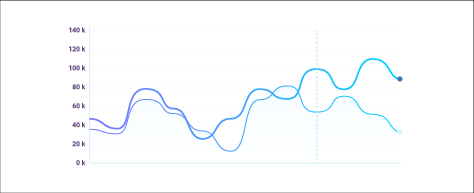
This bipap medical device automatically generates detailed therapy compliance reports and data trend charts, assisting doctors in precise diagnosis. Automated metrics track changes in apnea-hypopnea indices, system leak rates, and average pressure delivery over extended periods.
Reviewing these automated analytics helps medical teams identify specific clinical anomalies, such as mask leaks or central events. Having immediate access to trend graphs allows sleep specialists to make highly precise therapeutic adjustments.
Enhancing Patient Retention Rates with Targeted Digital Feedback
The initial two weeks of positive pressure therapy serve as a crucial window for determining whether a patient will successfully continue treatment. If an individual experiences dry nasal passages or uncomfortably high pressures, they frequently stop using the machine.
Cloud-linked telemetry enables automated remote patient monitoring systems to detect these early drops in usage immediately. The platform can trigger supportive automated messages or alert a case manager to check on the patient’s progress.
Addressing physical comfort issues early helps minimize therapy failure rates across vulnerable demographics. Combining patient-focused technology with clear monitoring makes the adjustment period smoother and less stressful for the user.
Mitigating Operational Challenges for Remote Sleep Clinics
Modern sleep laboratories and clinical networks balance heavy patient volumes against restricted administrative staffing resources. Manually tracking thousands of home care clients requires exceptionally efficient data tools to prevent staff burnout.
Utilizing integrated software platforms enables clinical staff to filter their entire patient registry by specific compliance risk tiers. This feature allows clinicians to focus their energy on individuals showing clear signs of high mask leakage or low usage.
Streamlining workflow management helps medical institutions scale their telehealth operations effectively without sacrificing the quality of patient care. Automated data systems maximize clinical utility while keeping administrative overhead under control.
Quality Components and Electronic Integrity in Hardware Architecture
Developing multi-functional respiratory hardware with advanced cloud communication requires highly precise electronics and rigorous quality control workflows. Complex software programs depend on durable internal circuitry to transmit patient data reliably without errors.
Within this highly specialized landscape, Beyond demonstrates significant engineering capabilities by managing an in-house surface-mount technology production workshop. This specialized infrastructure ensures that every internal microprocessor operates with total consistency.
By maintaining strict control over component assembly, production entities supply highly reliable hardware to international medical markets. This engineering foundation is essential for deploying smart diagnostic software in clinical environments.
Regulatory Clearances and Sourcing Criteria for Global Device Networks
International medical device distributors rely on strict compliance portfolios when selecting manufacturing partners for long-term collaboration. Devices must satisfy rigorous technical testing and obtain authorized global quality certifications.
Acquiring recognized registrations, such as MDR-CE, FDA, and ANVISA, validates that a manufacturer maintains exceptional production standards. These credentials give hospital procurement teams absolute confidence in the safety profiles of the equipment.
Comprehensive factory warranties and accessible technical support networks further reduce operational risks for commercial partners. Solid engineering combined with transparent support structures creates a foundation for enduring global trust.
Conclusion
Harnessing cloud ecosystems for remote compliance tracking represents a major advancement in the management of chronic obstructive sleep apnea. Utilizing a smart CPAP device equipped with automated data transmission ensures that therapy data is monitored accurately every night.
Automated analytics simplify diagnosis and reduce administrative burdens for medical teams, allowing sleep centers to operate more efficiently. These unified digital tools help clinicians intervene early, significantly improving patient outcomes.
Enterprises like Beyond support these clinical advancements by combining precision electronic engineering with dependable, factory-direct manufacturing workflows. Continuous technical innovation ensures that healthcare providers worldwide can access reliable, automated tools that improve clinical outcomes.
