

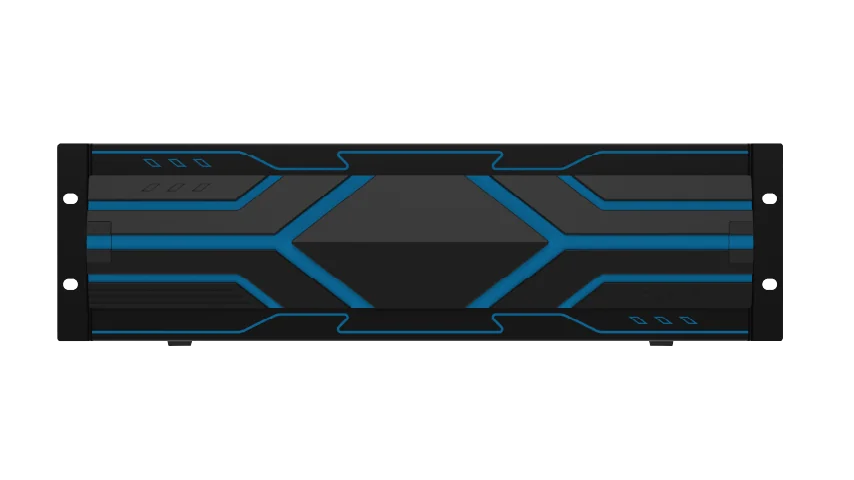
Modern LED display systems are becoming increasingly complex, especially in applications such as command centers, stage performances, exhibition halls, broadcast environments, and immersive visual spaces. Managing multiple video sources, different screen layouts, and high-resolution content requires advanced control equipment. An integrated splicing processor is designed to simplify these challenges by combining video processing and display management functions into one professional solution.
Unlike traditional systems that require multiple separate devices for signal switching, image scaling, and screen control, an integrated splicing processor provides centralized management for complex display projects. Kystar develops advanced video processing solutions that support professional applications requiring flexible layouts, high-definition signals, and reliable operation.
What Is an Integrated Splicing Processor?
An integrated splicing processor is a professional video control device that combines multiple functions, including signal processing, image scaling, window management, and multi-screen coordination. It receives different video sources, processes the signals, and distributes them across large display systems according to the required layout.
In a conventional video wall or LED display project, several separate devices may be required to handle video switching, processing, and output management. An integrated design reduces system complexity by combining these functions into a single unit.
The main purpose of an integrated splicing processor is to create a seamless visual experience where multiple displays or LED panels work together as one large canvas. It allows operators to display different content sources simultaneously, resize images, move windows, and adjust layouts according to project requirements.
How Does an Integrated Splicing Processor Work?
The working process begins when the processor receives video signals from different sources, such as cameras, computers, media servers, or broadcasting systems. These signals may come in different formats and resolutions, so the processor first analyzes and converts them into compatible formats.
After signal processing, the device manages how content appears on the display. Users can divide a large screen into multiple areas, display several video feeds at the same time, or combine multiple screens into one panoramic image.
Advanced processors use hardware-based architectures to ensure fast response and stable performance. For example, Kystar’s professional splicing processors use FPGA-based designs and modular structures to support complex video processing requirements in environments such as command centers, TV stations, conference rooms, and stage productions.
Key Features of an Integrated Splicing Processor
Multi-Source Video Management
One of the most important advantages of an integrated splicing processor is its ability to handle multiple input sources. A single system can manage signals from various devices and display them in different configurations.
This capability is essential for control rooms, where operators need to monitor multiple data streams simultaneously. It is also valuable for event productions where different video sources must be switched quickly during live performances.
Flexible Screen Layout and Window Control
Large display systems often require customized layouts rather than a single full-screen image. An integrated processor allows users to create flexible arrangements by resizing, moving, and layering different content windows.
For example, a command center may display security cameras, maps, and operational data on one video wall. A conference room may show presentations, remote participants, and information dashboards at the same time.
High-end splicing processors can support multiple layers and dynamic layouts, allowing users to adapt the display according to changing requirements. Kystar’s SEn and SHn series provide multi-layer management capabilities and support flexible visual configurations for professional environments.
High-Resolution Signal Processing
As LED displays continue moving toward higher resolutions, processing equipment must handle larger amounts of image data. An integrated splicing processor helps maintain image quality by supporting advanced signal processing, scaling, and synchronization.
For applications such as XR studios and broadcast environments, accurate image reproduction is critical. The processor must maintain smooth playback, correct colors, and precise synchronization to ensure professional visual performance.
When Is an Integrated Splicing Processor Needed?
An integrated splicing processor is needed when a display project involves multiple screens, multiple video sources, or complex content management requirements.
For small LED displays showing simple content, a basic controller may be sufficient. However, larger projects often require advanced processing capabilities to maintain image quality and operational flexibility.
Command Centers and Monitoring Rooms
Command centers frequently use large video walls to display real-time information from different systems. Operators need to view multiple sources simultaneously and quickly change layouts when necessary.
An integrated processor allows these environments to combine different data feeds into one coordinated display platform, improving monitoring efficiency and decision-making.
Stage Performances and Live Events
Large-scale stage productions often use LED backgrounds, side screens, and creative display structures. During live performances, video content must switch smoothly between different scenes and sources.
An integrated splicing processor helps production teams manage complex visual designs by providing flexible layouts and reliable signal processing. It supports creative stage applications where timing and stability are essential.
XR Virtual Production Studios
Virtual production requires extremely accurate LED wall performance. Cameras, rendering systems, and LED displays must work together with minimal delay and precise synchronization.
In these environments, an integrated processor helps manage high-resolution video signals and maintain consistent image quality. It becomes an important part of the workflow for creating realistic digital environments.
Exhibition Halls and Commercial Displays
Museums, exhibitions, shopping centers, and corporate spaces often use large creative displays to attract attention and deliver information. These projects may require multiple content zones and customized screen layouts.
A professional processor provides the flexibility needed to manage different visual experiences from one centralized system.
How to Choose the Right Integrated Splicing Processor?
Selecting the right processor depends on several project factors. The first consideration is the number and type of input and output signals. A system should support the required video sources and display connections.
The second factor is processing capacity. Larger screens and higher resolutions require stronger processing performance to ensure smooth operation.
The third consideration is control flexibility. Projects with complex layouts should choose equipment that supports advanced window management, remote control, and easy configuration.
Reliability is also important. Mission-critical applications such as command centers and broadcast studios require stable equipment that can operate continuously without interruptions.
Kystar provides different splicing processor solutions, including SE and SH series products designed for professional display environments with different performance requirements.
Why Integrated Processing Matters for Modern Display Systems?
As visual projects become larger and more interactive, simple signal transmission is no longer enough. Display systems need intelligent control solutions that can manage multiple sources, complex layouts, and high-quality images.
An integrated splicing processor reduces equipment complexity while improving operational efficiency. It provides a centralized approach for controlling professional LED displays and video walls.
Kystar focuses on developing display control technologies that support demanding applications, helping system integrators create reliable and visually impressive solutions for entertainment, commercial, and professional markets.
Conclusion
An integrated splicing processor is a powerful solution for managing complex display systems that require multiple signals, flexible layouts, and high-quality image processing. It combines essential control functions into one device, making large-scale visual projects easier to design and operate.
For command centers, stage productions, XR studios, exhibitions, and commercial installations, choosing the right processor can significantly improve display performance and reliability. As LED technology continues to evolve, integrated processing solutions will remain an important foundation for creating advanced visual experiences.
