

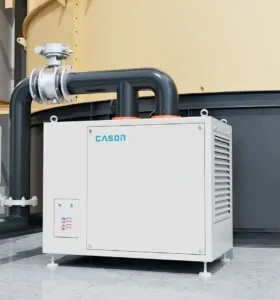
Rising energy costs and tighter environmental regulations push farms to reevaluate manure processing methods. Equipment that consumes less power while delivering consistent results offers a direct path to improved profitability. An energy saving compost tank meets this need by combining high‑temperature aerobic fermentation with technology designed to cut electricity use, giving operations a practical way to reduce overhead without sacrificing output quality.
How Advanced Technology Reduces Power Consumption
Traditional fermentation systems often require continuous blower operation and extended heating cycles, driving up energy bills. Modern designs change that equation. Cason integrates advanced energy‑saving technology into their high temperature aerobic fermentation tank, allowing precise control over aeration timing and heat retention. This approach lowers energy consumption by up to 40% compared to conventional units. For a farm running the system year‑round, the cumulative savings translate directly into better bottom‑line performance. By focusing on optimized resource consumption, Cason ensures that each high temperature aerobic fermentation tank operates efficiently without unnecessary power draw.
Lower Operational Costs Through Smarter Design
An energy saving compost tank does more than reduce electricity usage—it also streamlines overall processing expenses. Reduced energy demand means smaller power infrastructure requirements and lower utility bills month after month. Additionally, the aerobic process itself produces stable fertilizer in a shorter timeframe, cutting labor and handling costs. Cason builds these units with material durability in mind, minimizing maintenance needs over years of continuous operation. Farms that adopt this equipment find that the combination of energy efficiency and reliable performance creates a compelling return on investment, often recouping the initial expenditure faster than with conventional alternatives.
Environmental Impact and Sustainability Goals
Beyond financial benefits, lowering energy consumption aligns with broader sustainability objectives. Manure management is frequently one of the largest contributors to a farm’s carbon footprint. Deploying an energy saving compost tank reduces the facility’s overall energy demand, directly supporting emission reduction targets. Cason approaches this by tailoring each high temperature aerobic fermentation tank to the specific scale and manure characteristics of the farm, ensuring that the system never runs harder than necessary. This precise matching of capacity to actual need further reduces waste, making the entire waste‑to‑fertilizer cycle cleaner and more resource‑efficient.
Farms looking to strengthen both profitability and environmental performance find that investing in energy‑efficient equipment pays dividends. With proven technology that cuts power use substantially, an energy saving compost tank from Cason offers a practical solution—lower operational costs, consistent output, and a smaller ecological footprint, all delivered through a system built to fit the unique demands of each operation.
