

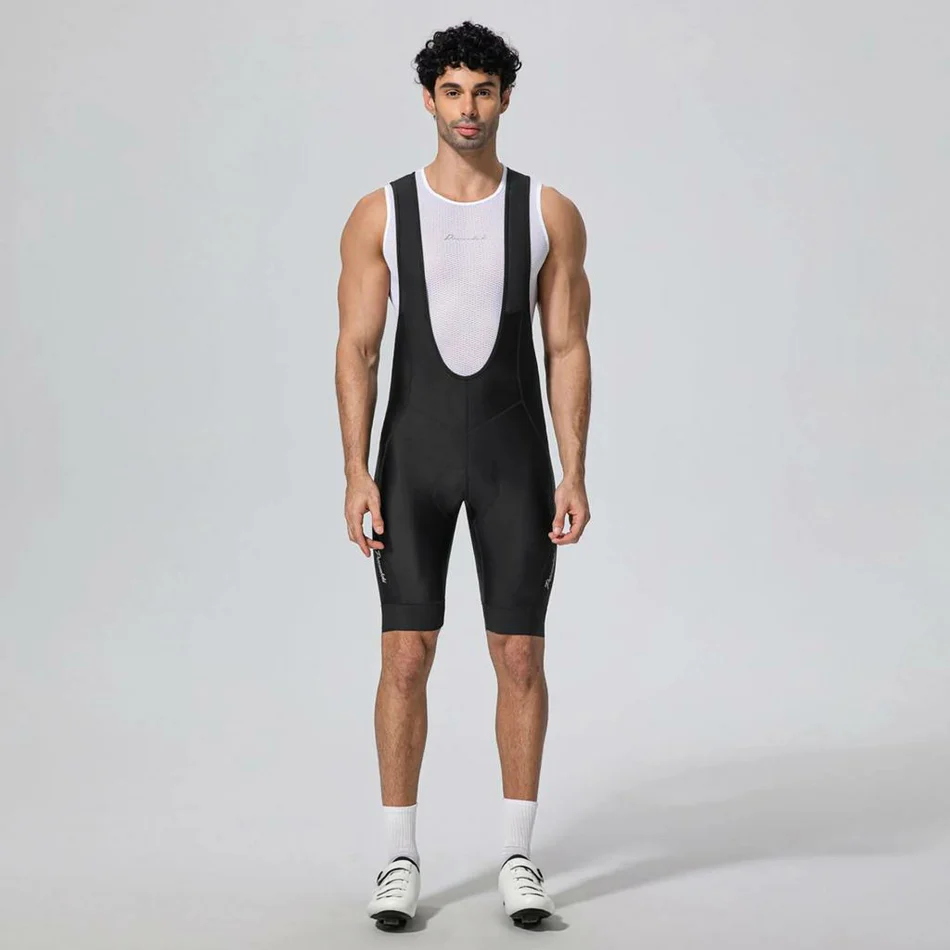
Environmental awareness in outdoor sports manufacturing has driven a significant shift toward recycled materials and eco-friendly textile engineering. For cyclists spending hours training on paved roads or trainer setups, selecting men’s core bib shorts that balance ecological responsibility with rider ergonomics represents a growing priority. Combining comfortable fabric construction with wider chamois designs helps improve saddle support for riders during longer sessions. Understanding these material developments enables riders to make environmentally conscious gear choices without compromising functional saddle support.
Long-distance endurance demands stable apparel capable of handling friction, moisture buildup, and repetitive muscle flexion. Modern cycling apparel development increasingly considers both functional performance and environmental impact. Examining fabric innovations, foam recycling, and eco-conscious construction reveals how green technology refines modern riding gear.
Evolution of Eco-Friendly Synthetic Textiles
Modern technical apparel relies heavily on regenerated polyamides derived from discarded ocean plastics and post-industrial nylon waste. These recycled fibers undergo rigorous refining processes to recreate identical tensile strength, stretch memory, and abrasion resistance compared to conventional petroleum-based yarns.
Utilizing recycled yarn matrices reduces energy consumption during manufacturing while lowering carbon emissions. Sustainable classic bib shorts maintain supportive panel compression across high-frequency training blocks while utilizing responsibly sourced materials.
Advanced Recycled Polyurethane Chamois Foams
Saddle padding historically relied on petroleum-derived polyurethane foams that posed challenges for recycling processes. Recent chemical innovations allow manufacturers to create bio-based or recycled foam cores with high cell resilience and impact absorption.
Bio-synthetic chamois materials deliver stable cushioning that resists flattening under continuous pelvic weight. Specialized pads utilize wide shape architectures that distribute sit-bone pressure effectively across broader contact zones.
Ergonomic Benefits of Wide Chamois Profiles
Wider padding layouts provide comprehensive coverage for sit-bone structures across varying pelvis widths and riding postures. Broad foam distribution prevents edge digging and reduces concentrated pressure along soft-tissue regions during extended saddle time.
Garments such as the Men’s Classic Cycling Bib Shorts integrate wide chamois geometry to maintain consistent support across daily commutes and indoor trainer sessions. Expanding pad surface areas improves weight dispersion without causing restrictive bulk between thighs.
Non-Toxic Dyeing and Water Conservation
Traditional textile dyeing requires massive volumes of water and heavy chemical treatments that generate toxic runoff. Solution-dyeing technologies infuse color pigments directly into liquid synthetic polymers prior to thread extrusion, eliminating wastewater generation.
Waterless dye processes yield high colorfastness, preventing fabric fading from intense UV exposure or repeated washings. Selecting eco-dyed men’s core bib shorts protects local aquatic ecosystems while ensuring long-lasting aesthetic appeal.
Eco-Conscious Moisture Management Membranes
Managing body heat and sweat evaporation relies on hydrophobic fiber structures that transport moisture away from skin surfaces. PFC-free water-repellent treatments provide effective surface moisture resistance without introducing persistent environmental toxins into surrounding watersheds.
Open-knit back panels facilitate rapid air circulation to keep core body temperatures balanced during warm efforts. Equipment crafted by Przewalski Cycling combines breathable mesh upper harnesses with non-toxic chemical finishes to maintain skin dryness.
Plant-Based Elastic Fibers and Elasticity
Elastane components give technical garments their necessary four-way stretch and body-contouring properties. Breakthroughs in bio-based elastane utilize plant sugars derived from renewable crops, reducing dependence on synthetic oil derivatives.
Bio-elastane delivers high shape retention and elastic recovery after repeated stretching during pedal strokes. High-recovery stretch textiles prevent panel sagging, keeping internal padding firmly aligned against anatomical contact points.
Energy-Efficient Manufacturing Protocols
Lowering carbon footprints extends beyond raw material selection to encompass factory power sources and manufacturing efficiency. Facilities utilizing solar energy and closed-loop water filtration systems lower overall environmental impact per garment produced.
Controlled production practices implemented by Przewalski Cycling help maintain strict quality parameters while reducing material waste during fabric cutting phases. Sustainable factory operations deliver reliable apparel designed to withstand multi-year riding schedules.
Recycled Silicone and Micro-Dot Grippers
Hem stability prevents lower leg openings from riding upward during high-cadence pedaling efforts. Formulations using recycled silicone or natural rubber prints provide effective skin grip without causing skin allergic reactions.
Laser-cut leg bands featuring bio-based silicone prints distribute retention force evenly over thigh muscles. Wearing the Men’s Classic Cycling Bib Shorts ensures lower leg hems remain fixed on long rides without causing restrictive pressure.
Durability and Extended Garment Lifespans
Extending product lifespans stands as one of the most effective strategies for reducing overall environmental impact in sports apparel. Robust flatlock stitching and abrasion-resistant fabrics allow technical garments to endure hundreds of laundry cycles without structural breakdown.
Investing in durable classic bib shorts reduces the frequency of garment replacement, keeping textile waste out of landfills. Reinforced panel construction maintains uniform compression and seam strength through seasons of continuous use.
Sustainable Innovations Shaping the Future of Ride Comfort
Adopting recycled fabrics, bio-based padding, non-toxic dyes, and wider pad dimensions demonstrates how environmental responsibility enhances cycling performance. Thoughtful design integration yields durable, highly functional kit that supports long-distance endurance across varied riding environments. Choosing sustainable men’s core bib shorts allows riders to enjoy reliable saddle comfort while contributing to responsible outdoor gear manufacturing.
SEO title:How Sustainable Tech is Transforming Cycling Bib shorts with Wide Chamois Przewalski Cycling Meta Description
