

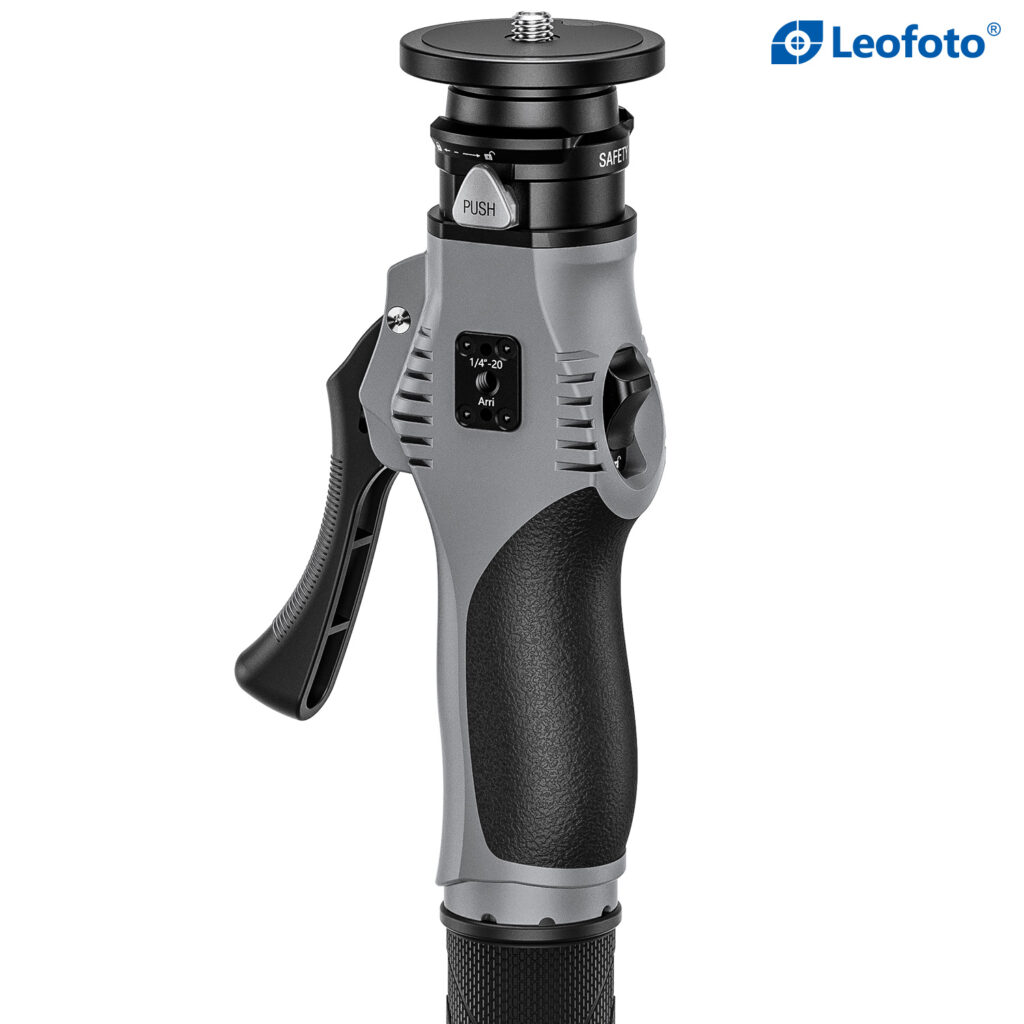
Trekking into backcountry terrain forces outdoor photographers to evaluate every ounce carried inside packs. Steep topography makes heavy multi-leg platforms cumbersome during long ascents. Balancing mobility against stable camera support creates a constant dilemma when pursuing distant wildlife or mountain ridges.
Assessing a light monopod requires examining how weight savings affect operational stability under equipment loads. Shedding chassis grams must not force photographers to abandon heavy telephoto glass or pro-tier bodies. Field success depends on whether reduced physical mass anchors serious optical payloads securely.
Selecting a suitable camera monopod involves understanding the mechanical boundaries of single-leg platforms. Unlike static tripods, vertical poles require active user stabilization to counter lateral sway. Analyzing how specialized structural tubes and adjustment mechanisms handle dynamic weight reveals how modern engineering addresses backcountry performance.
Tube Diameters and Structural Load Capacities
Composite carbon-fiber tube architecture provides high strength without imposing punishing carry weights on backcountry journeys. Multi-layered carbon construction dampens physical vibrations while resisting downward compression from hefty telephoto lenses. Robust composite weaves prevent the flexing that frequently plagues narrow, entry-level outdoor poles.
Structural rigidity hinges directly upon generous cross-sectional tube dimensions across all extending segments. Utilizing a 36 mm top tube diameter gives the main leg section substantial resistance against bending forces under downward mass. Broad diameters preserve structural firmness even when mounted equipment presses firmly onto the top plate.
Limiting the leg framework to three distinct sections minimizes mechanical joint vulnerability along the extended column. Fewer telescoping connections reduce structural play and prevent flex under substantial camera rigs. Maintaining thick tube walls throughout the lower segments keeps the entire support stable across varied heights.
Engineers at Leofoto prioritized load endurance by pairing a thick 36 mm carbon tube with rigid 3-section geometry. That design decision enables single-leg supports to manage hefty telephoto lenses without bending under pressure. Outdoor photographers gain reliable vertical rigidity without packing heavy metallic supports.
Rapid Height Adjustment and Elevation Mechanics
Field responsiveness dictates whether fleeting backcountry action translates into sharp imagery or missed framing opportunities. Animals rarely linger while photographers loosen multiple individual twist locks along an extended pole. Streamlined adjustment interfaces reduce setup latency, allowing rapid vertical positioning on uneven wilderness contours.
Deploying a light monopod during sudden wildlife encounters requires smooth locking engagement that holds firm under load. Mechanical locks must grip carbon surfaces firmly to prevent unexpected slipping when bearing heavy cameras. Reliable internal clamping keeps the column fixed securely at chosen working elevations without gradual sagging.
Integrating a one-click height adjustment mechanism accelerates operational readiness across dynamic field environments. Operating a single control point releases multiple telescoping segments simultaneously, bypassing tedious section-by-section twisting routines. Quick adjustments allow photographers to match elevation changes instantly as moving subjects shift across varying terrain.
Collapsing the three-section assembly down creates an easily transportable form factor that straps flush against trekking packs. Minimal folded length prevents equipment from snagging overgrown branches along narrow backcountry trails. Carrying compact support gear preserves stamina during high-mileage mountain ascents.
Quick-Release Interfaces and Dynamic Mounting Stresses
Operating a professional camera monopod on rugged ridgelines requires rapid transitions between supported shooting and freehand tracking. Integrated quick release platforms enable swift camera detachment whenever sudden close-range action demands handheld agility. Solid locking jaws clamp receiver plates firmly, preventing play between camera bodies and the support shaft.
Reversible attachment studs expand compatibility across diverse ball heads, fluid units, or direct camera baseplates. Dual 1/4-inch and 3/8-inch mounting threads accommodate varied optical gear configurations without requiring separate adapter bushings. Versatile apex hardware simplifies gear management when packing light for distant wilderness outings.
Ergonomic wrist straps and soft hand grips enhance physical security while moving between active vantage points. Securing the strap around the forearm stabilizes off-axis tilt while relieving finger strain during prolonged glassing sessions. Textured grip wraps protect bare hands from cold carbon surfaces in freezing backcountry environments.
Backcountry Footing and Ground Stability Realities
Ground contact surfaces directly dictate how firmly a single-leg support anchors into wilderness soil, slick rock, or damp forest mulch. Small plastic foot caps frequently skid across polished stone or sink into muddy tundra under heavy gear pressure. Specialized rubber foot profiles maximize contact friction to establish dependable traction.
High-density rubber feet absorb surface shocks while resisting abrasion from sharp granite edges. Wide base profiles maintain stable ground adhesion even when shooters angle the column to follow overhead birds or climbing wildlife. Solid footing isolates the camera from erratic ground shifts, supporting crisp image capture at lower shutter speeds.
Single-point stabilization naturally demands active operator input, which represents the primary functional trade-off compared to three-leg setups. Photographers cannot step away from a standing pole without holding the camera assembly. Documentation from Leofoto indicates that maintaining wide tube diameters helps shooters brace their bodies effectively against the upright column.
Balancing Mass, Payload, and Wilderness Mobility
Relying on a camera monopod rather than a full tripod cuts total pack burden significantly during grueling mountain expeditions. Quick deployment and high vertical rigidity allow photographers to stabilize long telephoto lenses without enduring the pack bulk of multi-leg systems. Mobile platforms excel in locations where narrow trails prevent wide tripod spreads.
Outdoor specialists evaluating a light monopod find that payload capacity remains intact when structural tube diameters are preserved. Sacrificing multi-leg hands-free stability yields remarkable gains in setup speed, trail mobility, and pack comfort. Single-column supports deliver responsive stability that aligns seamlessly with active wildlife and landscape workflows.
Engineering decisions from Leofoto demonstrate how targeted mechanical design solves the backcountry equipment balance. Incorporating one-click height adjustment, thick carbon-fiber tubing, and quick release versatility satisfies the needs of demanding wilderness photographers. Choosing gear with thoughtful mechanical priorities keeps packs manageable while keeping heavy telephoto setups steady.
