

Sustainability has become an important consideration for modern aquatic recreation projects. For commercial water parks, resorts, municipalities, and family entertainment venues, reducing water consumption while maintaining an engaging guest experience is now a key operational goal. A well-designed water management system can help operators control costs, improve environmental performance, and create more responsible attractions.
As a professional water park manufacturer, Jinchao understands that efficient water use begins with thoughtful system design. Collector tanks are becoming an important component in splash pad projects because they help capture, manage, and reuse water instead of allowing it to be wasted through drainage. Water management solutions such as collection and recirculation systems are widely recognized as effective ways to reduce water consumption in aquatic play environments.
Why Water Efficiency Matters for Modern Splash Pads
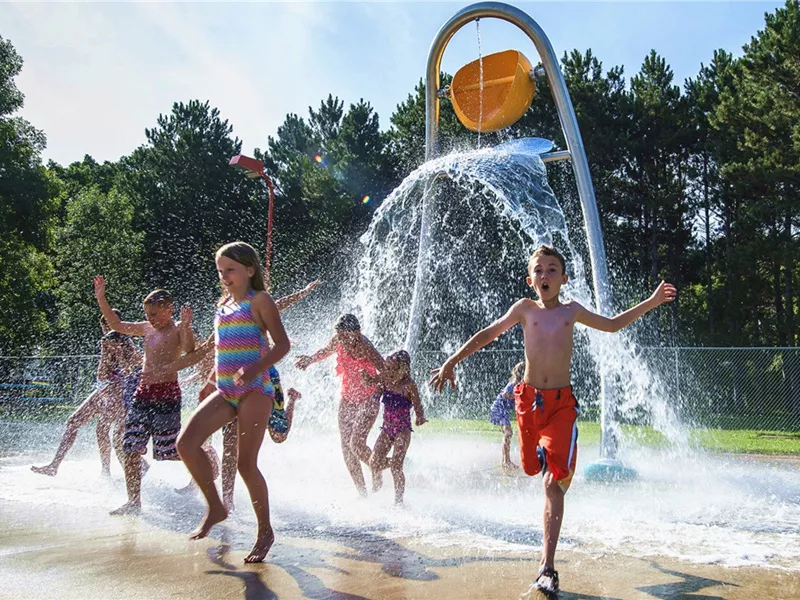
Splash pads are popular attractions because they provide interactive entertainment without requiring deep pools. They are especially attractive for families with young children, making kids aqua play areas common features in public parks, hotels, resorts, and commercial water facilities.
However, traditional flow-through splash pads continuously use fresh water and discharge used water into drainage systems. While this approach can be simple to operate, it may result in higher water consumption and increased operating expenses over time.
For project owners, water efficiency is not only an environmental issue but also a financial consideration. Reducing unnecessary water loss can lower utility costs and support long-term operational sustainability. This has encouraged more developers to consider advanced solutions that capture and manage water after it reaches the play surface.
How a Splash Pad Collector Tank Improves Water Management
A splash pad collector tank works by gathering water after it flows through interactive water features. Instead of immediately sending water into waste drainage, the system stores collected water for treatment, reuse, or alternative applications depending on the project design.
The basic process involves collecting water from drains, filtering out unwanted materials, and transferring it to a storage or treatment system. Similar water reuse approaches can allow captured splash pad water to support irrigation or other non-potable applications.
This approach helps operators create a more balanced water cycle. During operation, water is continuously managed instead of being treated as a single-use resource. For large-scale projects with multiple attractions, the reduction in water waste can become especially valuable.
The Role of Water Recycling Systems in Commercial Projects
A complete splash pad water reuse system can include collection tanks, filtration equipment, pumps, and water treatment components. These elements work together to maintain suitable water quality while maximizing water efficiency.
For commercial buyers, system integration is essential. A collector tank should not be considered as an isolated component but as part of the overall attraction design. Factors such as attraction size, visitor capacity, local regulations, and maintenance requirements all influence the appropriate water management solution.
A professional water park manufacturer can help project developers select equipment combinations that match their operational goals. From initial planning to manufacturing and installation, experienced suppliers can provide solutions that balance play value, safety, and resource management.
Designing More Sustainable Kids Aqua Play Attractions
Modern kids aqua play attractions focus on combining creativity with responsible operation. Children are naturally attracted to interactive water features, colorful designs, and hands-on experiences. However, operators increasingly need attractions that provide entertainment while meeting sustainability expectations.
Jinchao develops water park equipment designed around children’s enjoyment and project performance. Its kids aqua play products are available in stainless steel and fiberglass options, allowing designers to create visually appealing attractions suitable for different environments.
By combining engaging play structures with efficient water management planning, operators can create memorable experiences while reducing unnecessary resource consumption. Features such as splash elements, interactive spraying devices, and themed water structures can be integrated with appropriate collection systems to improve overall project efficiency.
Choosing the Right Water-Efficient Splash Pad Design
Selecting a water-efficient splash pad requires careful consideration of several factors. Project owners should evaluate expected visitor numbers, available space, climate conditions, and local water regulations before choosing a system.
The capacity and design of collection equipment should match the water flow generated by the attraction. Oversized or unsuitable systems may increase installation complexity, while insufficient capacity may reduce efficiency.
Working with an experienced water park manufacturer can simplify this process. Jinchao provides integrated water park solutions covering design, equipment manufacturing, and project support. With a manufacturing facility of approximately 36,000 square meters and experience in global water park projects, the company supports developers in building reliable aquatic recreation spaces.
Long-Term Benefits for Water Park Operators
Investing in efficient water management can provide multiple benefits beyond reducing water consumption. Lower water demand can contribute to reduced operating expenses, while sustainable designs can strengthen a project’s reputation among environmentally conscious visitors.
For municipalities and commercial venues, efficient splash pad systems can also support broader sustainability initiatives. A well-planned attraction demonstrates that entertainment facilities can deliver high-quality experiences while considering responsible resource use.
As the aquatic recreation industry continues to evolve, solutions that combine fun, safety, and efficiency will become increasingly important. Collector tanks represent one practical approach for improving water management and supporting more sustainable splash pad development.
Building the Future of Smarter Aquatic Recreation
Water efficiency is becoming a defining factor in the design of modern aquatic attractions. Collector tanks help transform splash pads from simple water-consuming features into better-managed recreational environments.
With expertise in water park design and manufacturing, Jinchao helps project developers create attractions that combine children’s enjoyment with practical operational needs. By integrating efficient collection solutions, durable materials, and creative play concepts, future water parks can deliver exciting experiences while making better use of valuable water resources.
