

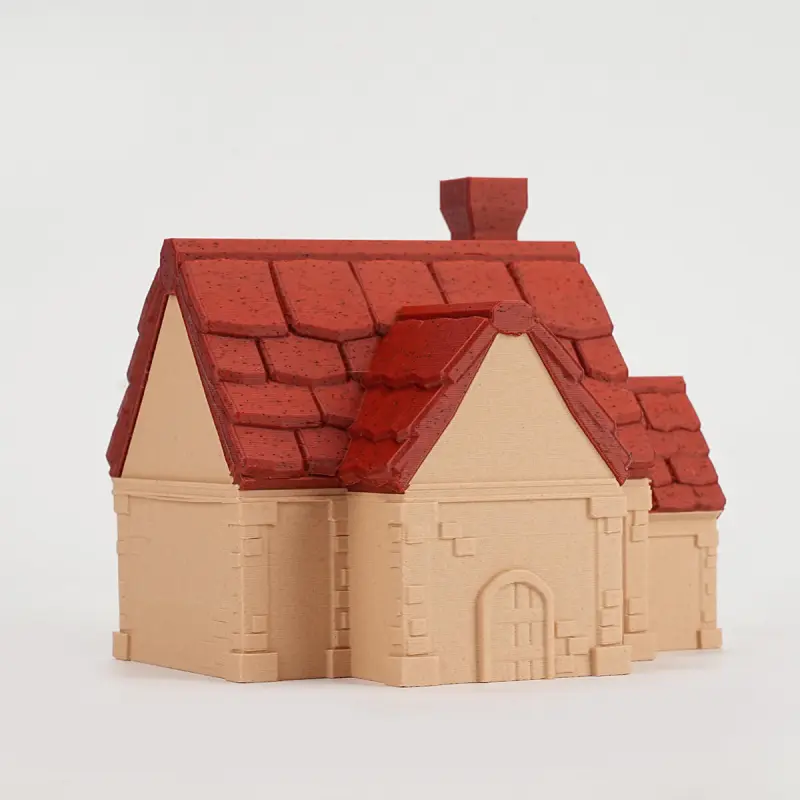
Selecting the optimal engineering polymer determines whether an outdoor fabrication can withstand harsh environmental exposure over time. Solar radiation, fluctuating humidity, and temperature swings quickly degrade standard plastics, causing brittle structural failures. Evaluating specific 3D filament types allows designers to identify materials engineered with high ultraviolet and thermal resistance.
Thermoplastics exhibit diverse degradation patterns when left unprotected under direct sunlight for extended periods. A polymer that thrives inside a climate-controlled workshop might warp, discolor, or crack within months outdoors. Analyzing the underlying material science helps operators choose the right option for functional, weather-exposed installations.
Exploring the Weather Resistance of Copolyesters
Polyethylene terephthalate glycol offers a strong balance of mechanical toughness and physical ease of printing for daily projects. This material features excellent water resistance, meaning it will not absorb humidity or swell when exposed to rain. Its chemical stability prevents standard environmental pollutants from weakening the overall structure.
However, standard copolyesters possess limited inherent resistance to prolonged ultraviolet radiation from sunlight. Continuous solar exposure slowly breaks down the molecular bonds, leading to gradual color fading and reduced impact strength. While excellent for shaded or temporary outdoor fixtures, it may falter under intense, direct sun.
Analyzing the Superior Ultraviolet Stability of Acrylic Styrene Acrylonitrile
Acrylic styrene acrylonitrile is explicitly engineered to deliver outstanding long-term durability in punishing outdoor environments. The integration of an acrylic ester elastomer phase replaces the vulnerable rubber components found in older engineering plastics. This specific chemical adjustment makes the polymer highly resistant to ultraviolet radiation and weathering.
Objects printed with this robust material maintain their original color and mechanical properties even after years of direct sun exposure. It resists aging, chalking, and brittleness, making it a favorite for automotive trim and exterior housing units. For absolute longevity under open skies, this material provides unparalleled environmental defense.
Comparing Thermal Deflection and Structural Stability
Outdoor applications frequently encounter high temperatures, especially when dark-colored objects absorb direct solar heat. Copolyesters soften around seventy-five degrees Celsius, which can cause large enclosures to sag on hot summer days. This thermal threshold limits their use in high-heat zones like black roofing components.
The uv-stabilized alternative boasts a significantly higher thermal deflection point, safely exceeding ninety-five degrees Celsius. This superior heat resistance prevents physical warping or creeping when the model is under mechanical load. Choosing the right thermal profile ensures the printed assembly remains dimensionally accurate all year round.
Evaluating Printability and Hardware Requirements
Copolyesters are widely appreciated for their highly forgiving printing characteristics on standard open-frame desktop machines. The material exhibits low thermal shrinkage, requiring only a moderate bed temperature to remain perfectly flat. It flows smoothly through basic nozzles with minimal odor, simplifying the fabrication process.
Conversely, the highly weather-resistant acrylic polymer demands strict thermal control to prevent layer splitting and lifting. A heated build chamber is highly recommended to minimize the internal stresses caused by rapid cooling. The material also releases noticeable styrene fumes, requiring active ventilation or carbon filtration systems.
Understanding the Importance of Diameter Consistency
Achieving uniform outer walls is vital for ensuring that moisture cannot penetrate the microscopic gaps between printed layers. Sourcing a high-quality 3D print filament guarantees a steady volumetric flow throughout the entire build cycle. Inconsistent strand thickness forces the nozzle to under-extrude, creating structural vulnerabilities.
Strict manufacturing controls keep the strand diameter within a highly precise tolerance window. This precision prevents internal voids that could harbor trapped water during freezing winter weather. Consistent material dimensions translate directly to stronger, more weather-impermeable functional parts.
Discovering Advanced Chemical-Resistant Material Variations
Specialized industrial projects often require unique material characteristics that go beyond standard weather-resistant plastics. To satisfy these demanding requirements, the development team at SUNLU provides a specialized PP formulation for advanced engineering. This unique material is engineered as a lightweight, low-density option with exceptional chemical resistance.
The advanced formulation delivers outstanding fatigue resistance, allowing it to withstand repetitive mechanical stress effortlessly. This specialized option from SUNLU is ideal to create fold-resistant and impact-resistant functional parts. Utilizing this flexible polymer allows engineers to design robust living hinges and durable chemical containers.
Optimizing Bed Adhesion for Exterior Components
Securing the first layer firmly to the build surface prevents catastrophic failures during long, complex print runs. Clean glass or textured PEI platforms provide excellent traction for standard copolyesters without requiring specialized adhesives. Keeping the bed at eighty degrees Celsius ensures a flat foundation.
Extruding advanced weather-resistant plastics requires much higher thermal settings alongside specialized bed adhesives like polyamide sheets. A hot build environment prevents the edges from lifting away due to natural polymer shrinkage. Establishing a reliable foundation remains a vital step for ensuring outdoor structural integrity.
Managing Post-Processing and Surface Finishing
Post-processing methods can significantly alter how an object interacts with the surrounding outdoor elements. Copolyesters resist most common solvents, requiring mechanical sanding with wet sandpaper to achieve a smooth finish. This manual method takes patience but results in a highly uniform, clean exterior surface.
The uv-stable variant can be chemically smoothed using acetone vapor to dissolve away visible layer lines completely. This process fuses the outer skin into a seamless, glossy shell that sheds water effortlessly. Eliminating the ridges reduces the overall surface area exposed to environmental weathering.
Conclusion
Choosing the right outdoor polymer depends on balancing ease of fabrication against intense environmental demands. While copolyesters work well for general utilities, specialized 3D filament types offer superior UV and chemical defense. SUNLU‘s advanced, consistent materials deliver precision and endurance—built to last, outdoors and beyond.
