

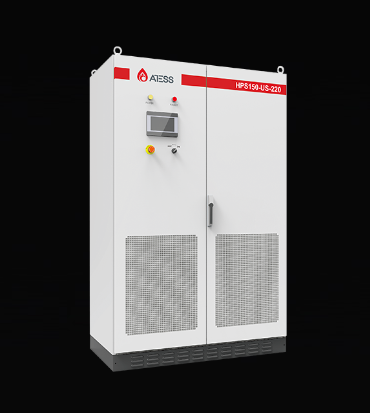
Reliable energy management depends on the correct installation and maintenance of power systems. When Atess designs hardware, they prioritize technical integrity to ensure that their units function within safe parameters. Operators who manage a hybrid inverter must adhere to specific protocols to maintain system health and prevent hardware damage.
Maintaining Proper Ventilation
A hybrid inverter generates heat during the conversion process, which requires adequate airflow for dissipation. They must ensure that the installation area provides sufficient clearance around the chassis to prevent thermal throttling. If the unit is confined in a small space, the ambient temperature may rise, potentially impacting performance. Maintaining a clear environment allows the internal components to operate as intended without the risk of overheating.
Electrical Integrity and Connections
Securing electrical connections is a fundamental part of operating a solar hybrid inverter. They should perform periodic inspections of all cable terminals to confirm that they remain tight and free from corrosion. Loose connections often lead to increased resistance, which can manifest as localized heat buildup. By verifying that every connection is secure, they maintain the electrical continuity necessary for stable energy transfer between the battery, grid, and solar array.
Adhering to Manufacturer Guidelines
Technical specifications provided by the manufacturer act as the primary reference for operation. They should confirm that the connected solar arrays and battery banks fall within the rated capacity of the device. Exceeding these thresholds can trigger internal protection mechanisms or compromise the longevity of the circuitry. When they follow the defined operational ranges, they support the stability of the entire energy system, ensuring that the components work in harmony over the long term.
Monitoring System Performance
Proactive observation of the display panel or monitoring software allows for early identification of irregularities. They should check for error codes or status updates regularly, as these indicators provide immediate feedback on system health. If an anomaly appears, referring to the technical manual helps them identify the appropriate steps to restore normal function. Consistent attention to these details helps operators manage their energy infrastructure with precision and care.
